
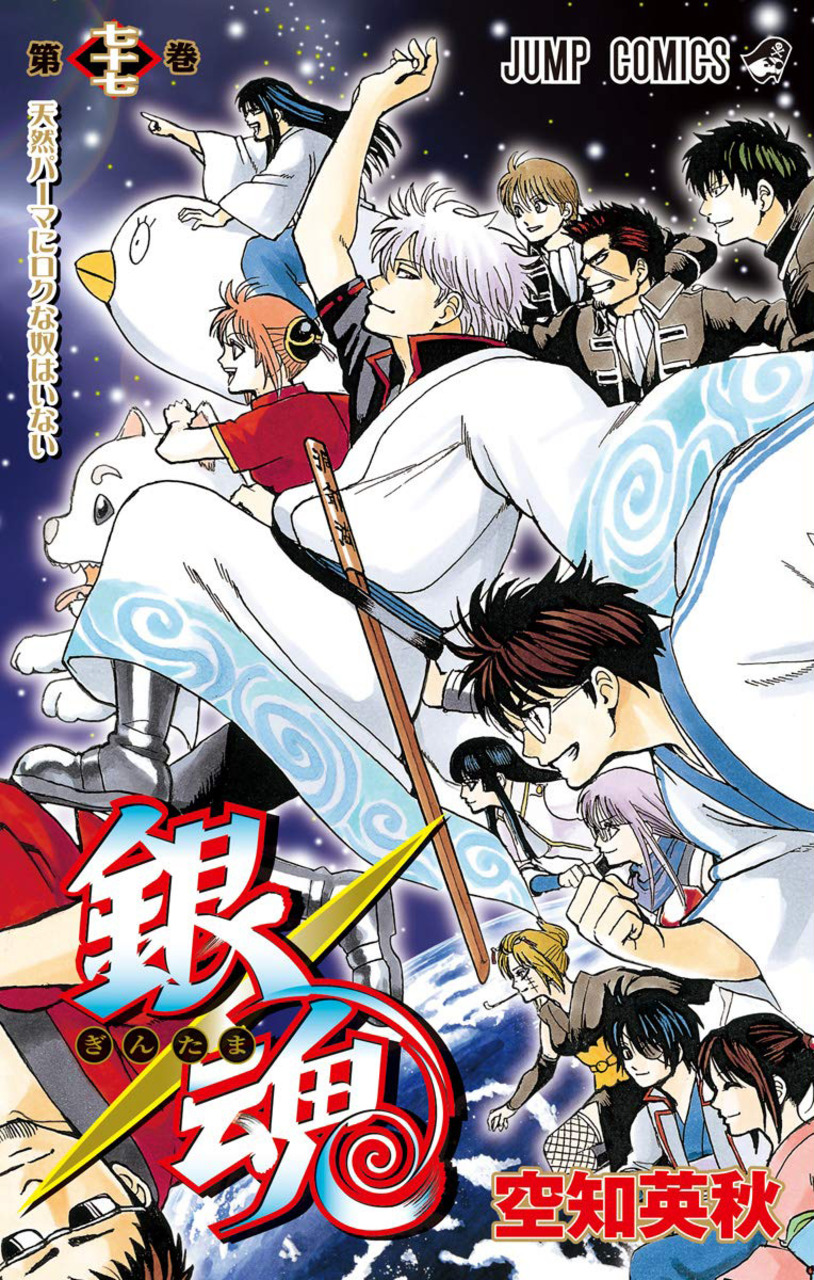
Excerpt from the first lecture of the Jump’s Manga School held on August 22, 2020, titled “Basics: Manga ‘Planning’, where Gintama first editor, Kohei Onishi explains how Gintama was able to stand out a series within Weekly Shonen Jump during its time, and how the T.P.O.* factor was used in creating the series.
*Acronym that stands for:
TIME: Timeleness of the project, and whether it fits in its era.
PLACE: Place or magazine (or app) in which the manga is being published.
OWN: The power that the writer has or owns. Will the artist be a good match for the project, and will they be able to draw it well?
KOHEI ONISHI:
Let me use Gintama as a concrete example of how to create a project. At the time, Weekly Shonen Jump was lined with super-powerful works such as One Piece (Eiichiro Oda), Naruto (Masashi Kishimoto), and Bleach (Tite Kubo), and I was trying to figure out what I could do to survive. The big concept that came out of that was to “do something that doesn’t look Jump-like”. Sorachi-sensei was an unknown newcomer, so the strategy was to do something different and stand out from the crowd.
With Gintama, I thought in terms of TPO. First, the characters. Gintoki and Kagura were created by reversing the traditional hero/heroine style. Kagura has vulgar characteristics such as “gluttony” and “vomiting”, which is the opposite of the elegant and gentle heroines of the past. The factor I was conscious of here is “PLACE”, the place where the story is published. “I thought, “What kind of heroines are there in Jump, and what should I do to stand out there? For Gintoki, I was conscious of “life-sized characters”. I was being conscious of “OWN” so that the writer’s “human observation skills” could be utilized in creating the character. There were not many life-sized protagonists like Gintoki in Jump at the time. For example, I thought that a “big adventure in a vast world” type of protagonist would not be able to compete in Jump at that time.
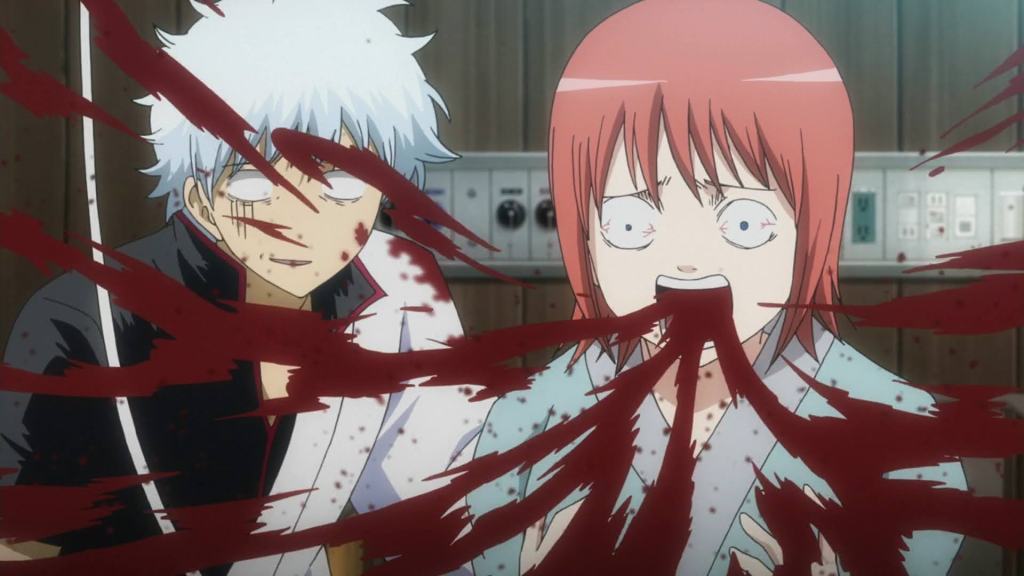
Next comes the story. Again, I’m being conscious of the “PLACE” factor here, which is to find similar works in the same magazine. Or, conversely, is there a genre that is popular in other magazines but not in the magazine you are targeting? I think it’s important to think about whether there are any “openings” in the market. Before Gintama got serialized, Sorachi and I both thought that if a Rumiko Takahashi style manga like Ranma ½ was in Jump, it would have a better chance of being a hit. Here, I think we can say that something that is a hit in other magazines, but not here, is clearly a target. There were already a lot of interesting fantasy ability battles in Jump at the time, so there was no point in doing the same thing. On the contrary, I thought it would be interesting to have a work with a stance of using special moves as a story… I also tried to add a lot of “human interest stories”. I thought it would bring out the best in the writer and stand out from the flashy stories that are often found in JUMP.

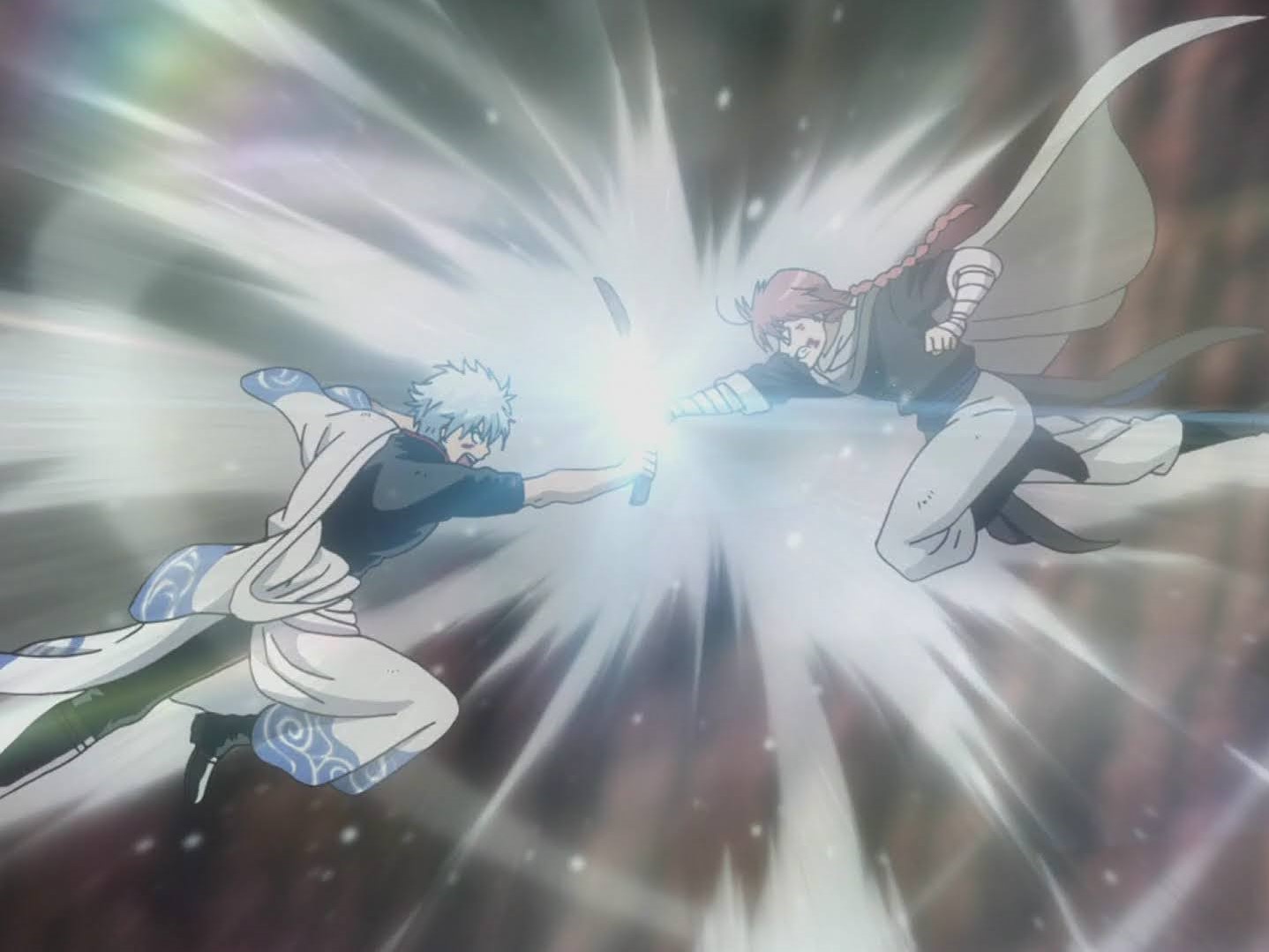
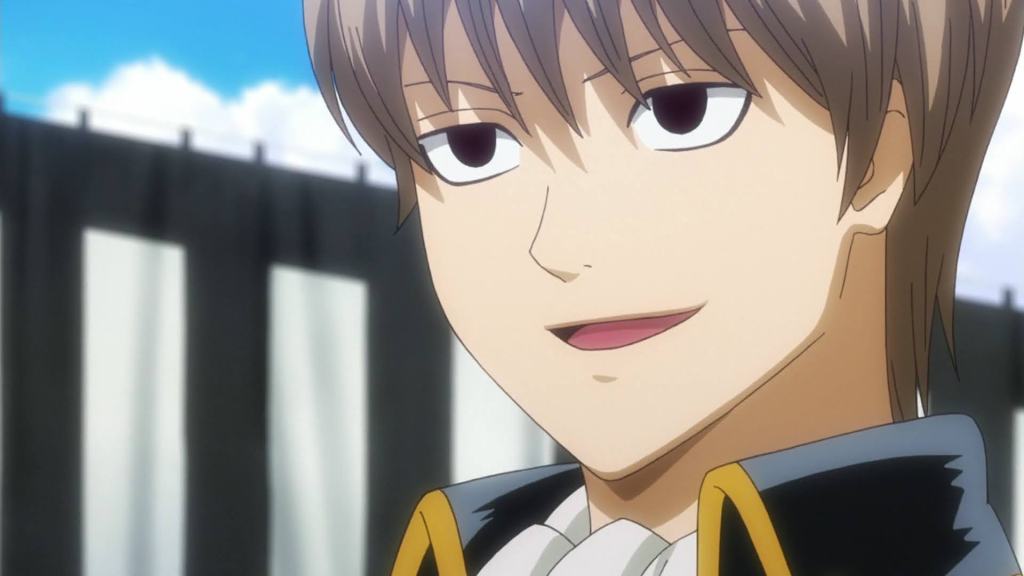
In the setting of the Shinsengumi and “the end of the Edo period”, I was conscious of the “TIME” factor, that is, the trend at the time. There was a lot of attention being paid to the Shinsengumi in the Taiga drama series, and Sorachi-sensei was also a fan of historical stories. I had analyzed the Shinsengumi as a group of people wearing the same uniform and working towards the same goal, which is something that children like. At the time, there were no Shinsengumi or historical stories in Jump, so I thought that if we could do that, we could compete. The character portrayal of the Shinsengumi in the work is based on the original historical figures. I have tried to follow the image of the real Toshizo Hijikata and Soji Okita, and vice versa. The real Soji Okita has a refreshing image, so I tried to make him black-hearted in the manga. Sorachi-sensei is good at using existing images to create new ones, so I thought that if there was a “foundation” to begin with, such as a historical character, the character portrayal would be more interesting.
As we have seen, I create my projects with an awareness of “TPO” such as “timelessness,” “location,” and “compatibility with the artist”. I thought that if you are aware of these three factors when you are thinking of a project, it will become a certain standard for the interest of said project. (End)
 Yorozuya Shinigami