CHARACTERS

Sakata Gintoki
From Japanese folktale character Kintaro (Sakata No Kintoki) from the Heian period. He became one of Minamoto No Yorimitsu’s Shitenno, and helped vanquishing Shuten-doji (also known as Gedoumaru).
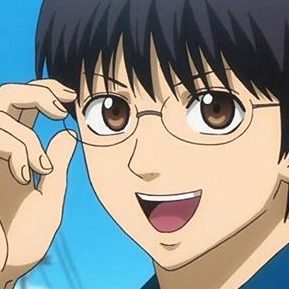
Shimura Shinpachi
Inspired by Shinpachi Nakagura, a character from Sorachi’s previous manga about the Shinsengumi, and Ken Shimura.
Shinpachi Nagakura was originally the former captain of the Shinsengumi’s second unit, during the late Edo period.

Kagura
From Kagura-cho (神楽町), a location in Hokkaido, and Princess Kaguya, from The Tale Of Princess Kaguya (かぐや姫の物語, Kaguya-hime no Monogatari).
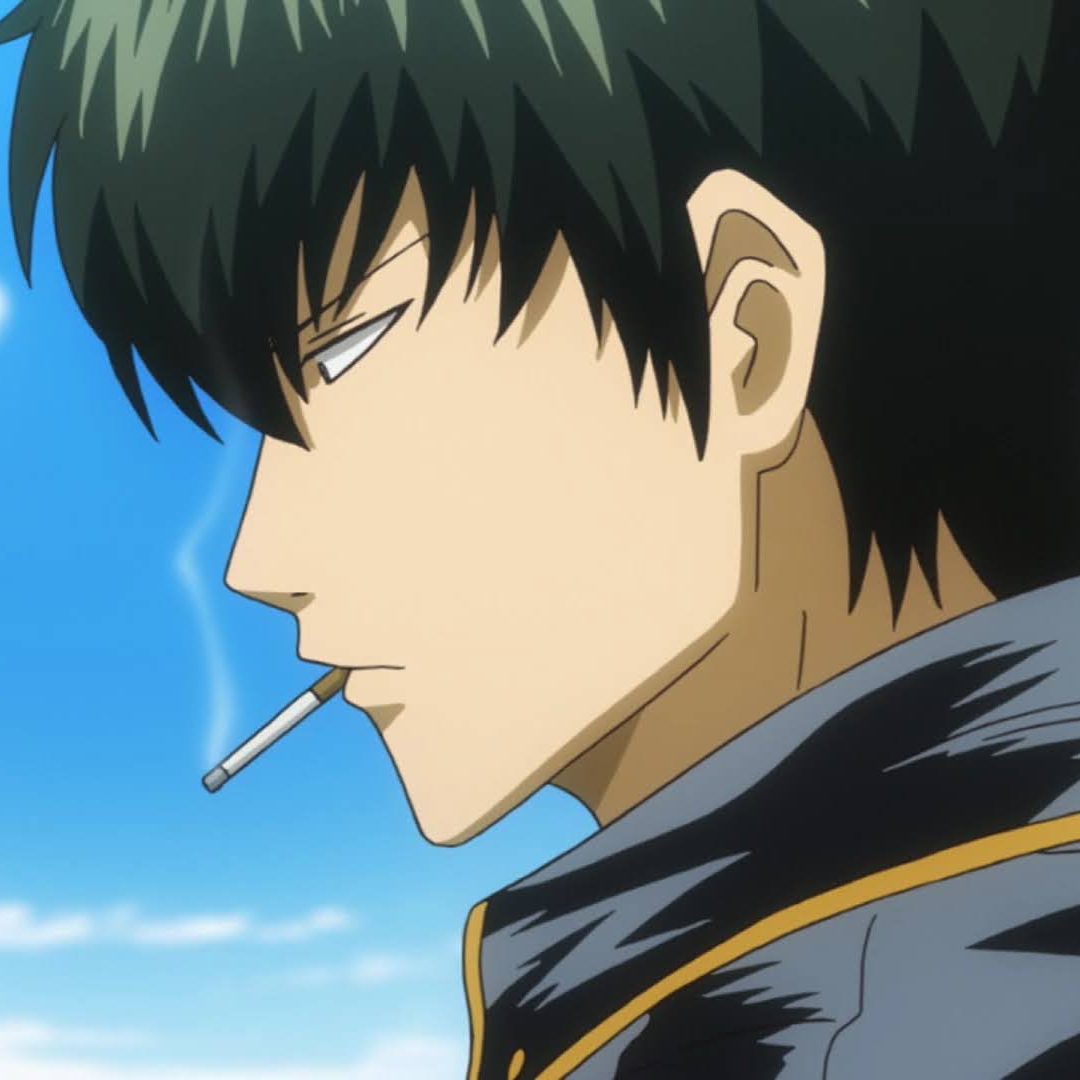
Hijikata Toshirou
From Hijikata Toshizō Yoshitoyo, Vice-Commander of the Shinsengumi during Japan’s Bakumatsu period. The title Baragaki/バラガキ (meaning “A violent boy who hurts like a thorn when touched), with which Toshirou is often referred to in the manga, was also the nickname of the real life Toshizou. He gained the nickname “Oni no Fukucho” (Demon Vice Commander) due to his strict nature and intensity.
Both Toshiro and Toshiro were born on May 5.
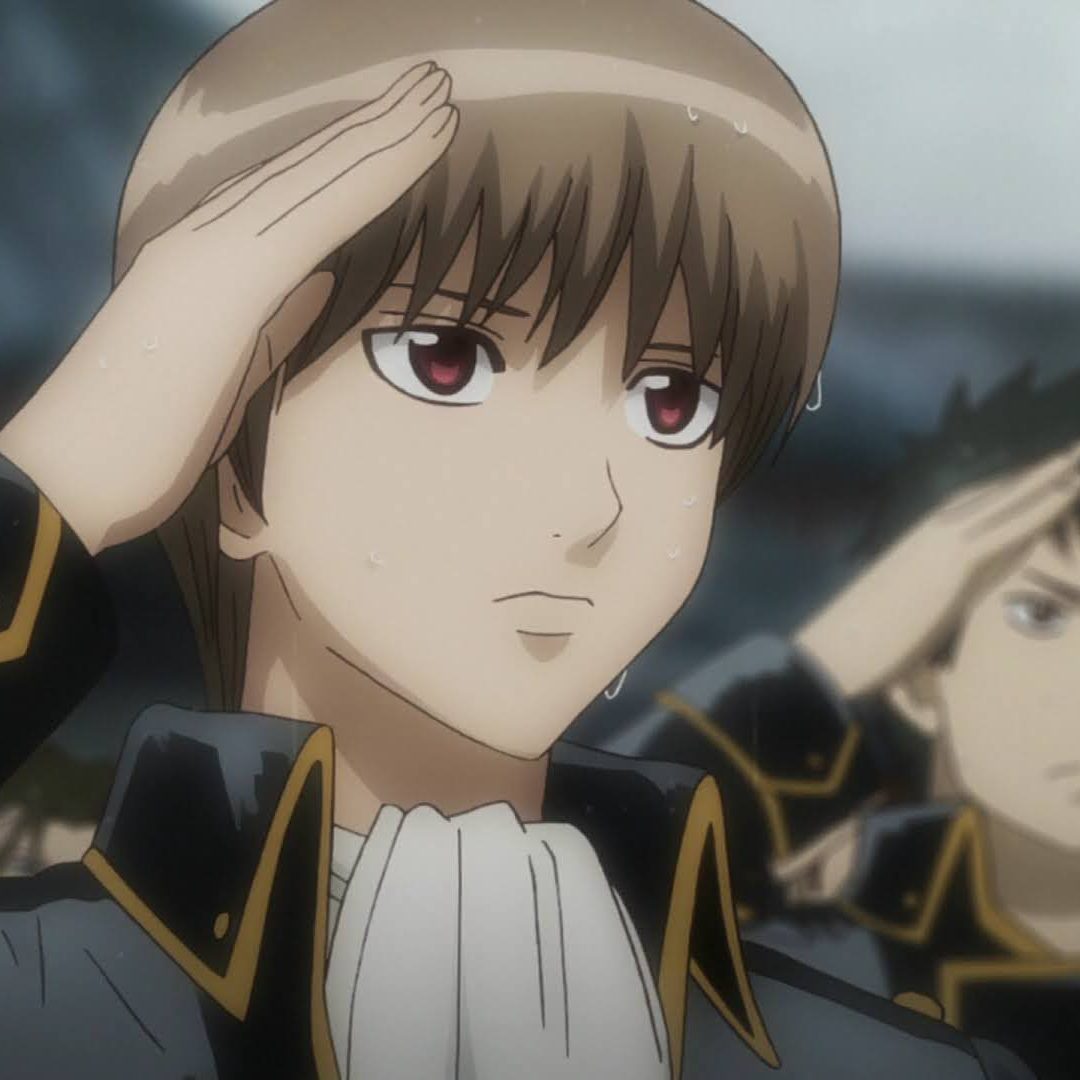
Okita Sougo
From Okita Sōji, captain of the Shinsengumi’s first unit during the Bakumatsu period, and one of the best swordsmen in the unit. He trained at the Tennen Rishin-ryū with Kondo Shusuke (adoptive father of Kondo Isami) around the age of nine, and was considered a prodigy.
The Kiku-Ichimonji RX-7 from Gintama lesson 158, is a parody of the Kiku-Ichimonji katana that the original Soji wielded.
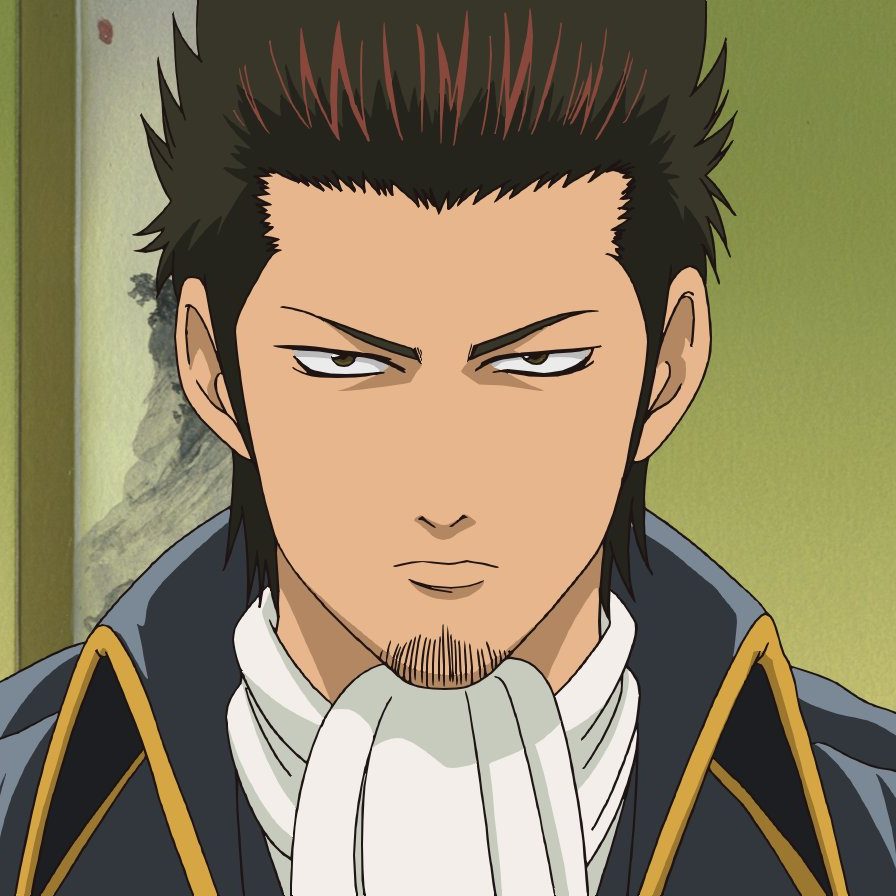
Isao Kondo
From Kondō Isami, commander of the Shinsengumi during the Bakumatsu period, and 4th generation master of the Tennen Rishin-ryū (Traditional school from the late Edo period that specialized in a style of swordsmanship practiced by the Shinsengumi).
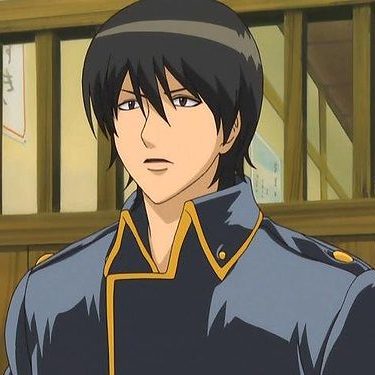
Yamazaki Sagaru
Based on Yamazaki Susumu, a former ronin who became an officer and spy for the Shinsengumi. He had Kondo Isami and Hijikata Toshizou’s full confidence and was one of the most faithful members of the Shinsengumi.
Sagaru shares the same birthday as Susumu (Feb. 6).
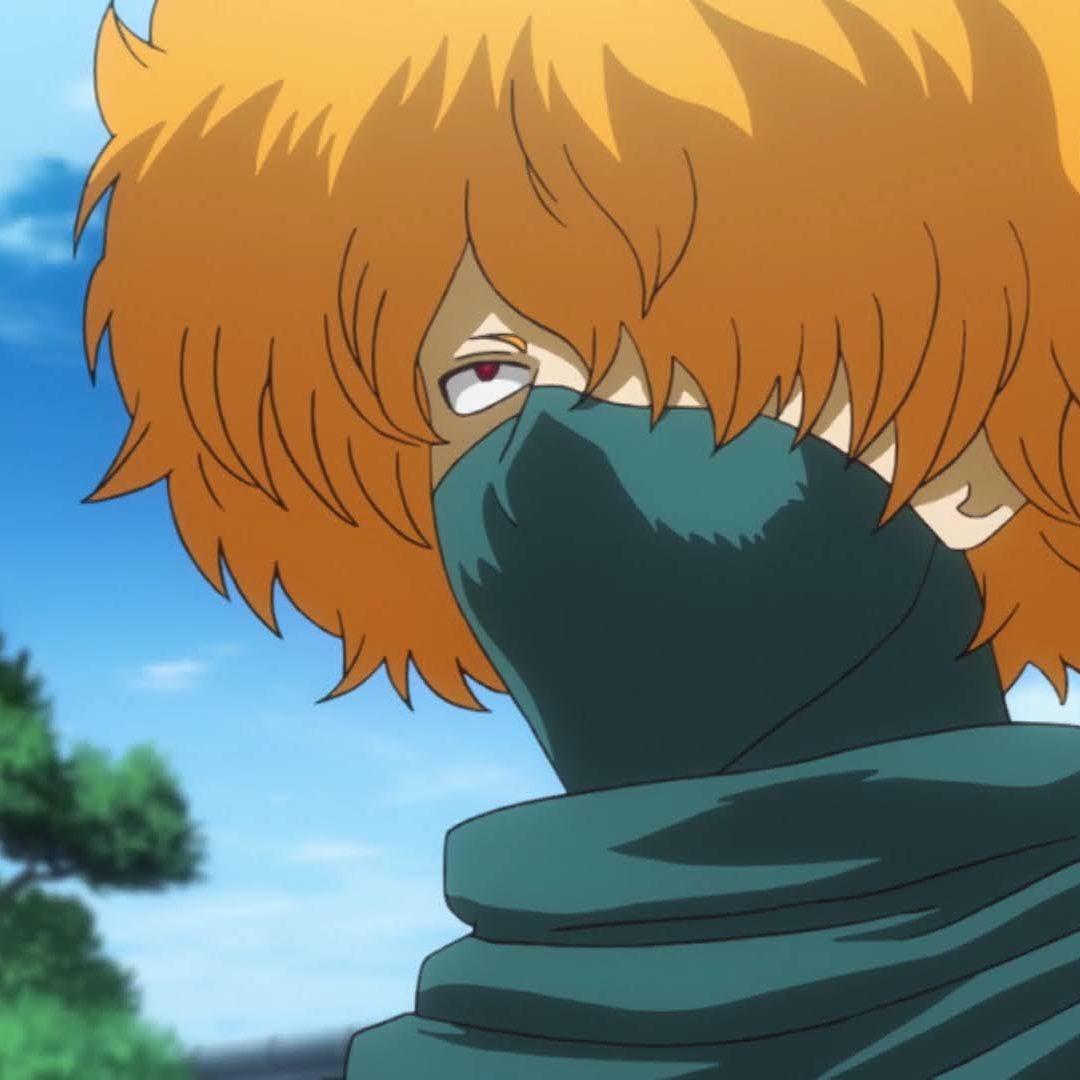
Saitou Shimaru
Based on Saitō Hajime, a samurai from the late Edo period and leader of the 3rd unit in the Shinsengumi. He was the same as Okita Soji, and was stated to be very introvert and mysterious. Just like Saito does in Gintama, Hajime had a reputation of purging corrupt members of the Shinsengumi. Hajime was 180cm tall, which is the same height as Shimaru in Gintama.
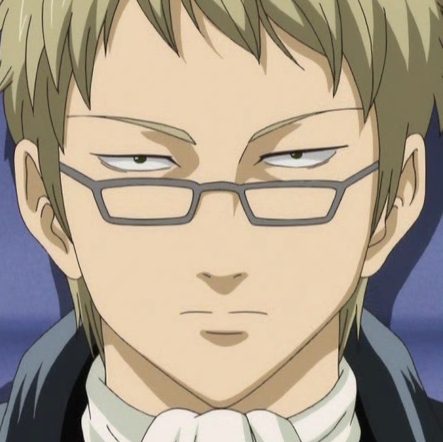
Itou Kamoutarou
Based on Kashitaro Itou, a staff officer in the Shinsengumi. Hijikata Toshizou disliked Ito when he joined the unit, becoming suspicious of his true motives for joining. While gaining the Shinsengumi’s trust, Ito was secretly meeting with Satsuma clan members and had even made plans to assassinate Kondo. Ito was later assassinated by the Shinsengumi members.

Katsura Kotarou
From Katsura Kogorō (Birth name Wada Kogorō), a Japanese statesman during the Bakumatsu period, and one of the Three Great Nobles who led the Meiji Restoration in 1868. Studied at the Shōka Sonjuku academy in 1848.
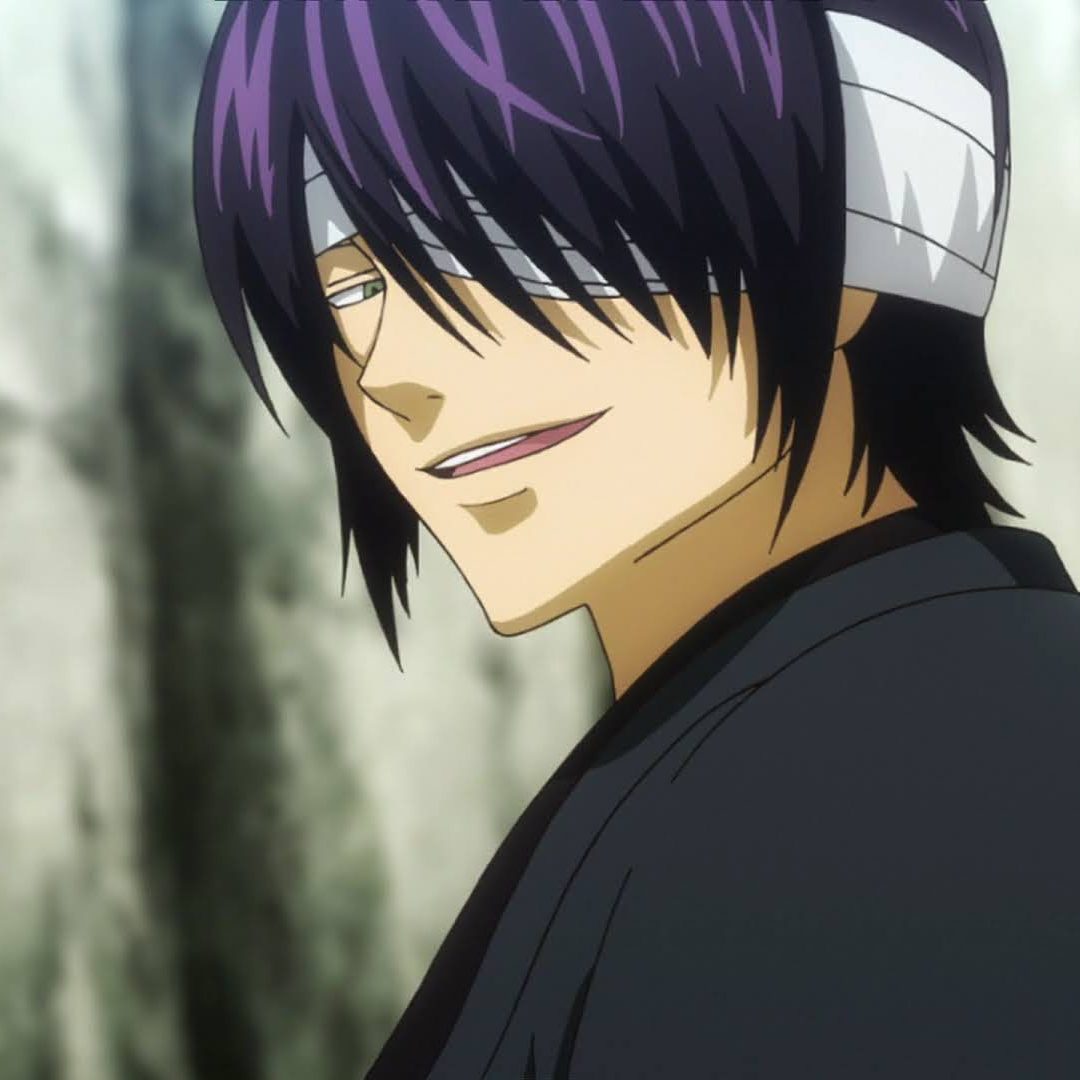
Takasugi Shinsuke
From Takasugi Shinsaku, samurai and imperial loyalist, who heavily contributed to the Meiji Restoration. Shinsaku led the Kiheitai, an irregular volunteer militia that arose in the domain of the Chōshū clan, during Japan’s Bakumatsu period. Studied at the Shōka Shinjuku private academy.
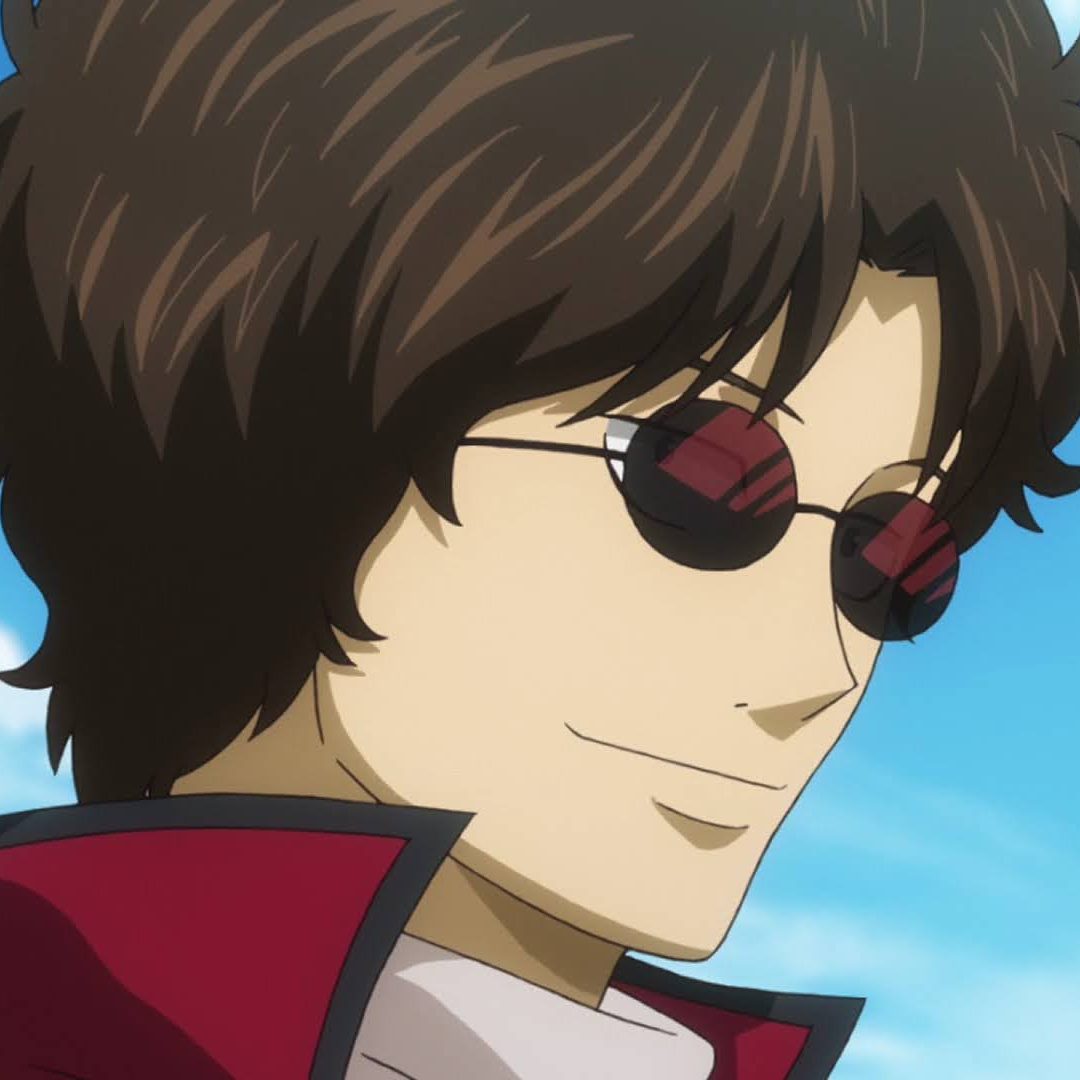
Sakamoto Tatsuma
From Sakamoto Ryōma, Japanese samurai and influential figure from the Bakumatsu period. The kanji for Ryōu (龍) in Ryouma which means “dragon”, can also be read as “Tatsu”, hence the origin of the fictional Tatsuma.
Sakamoto Ryōma founded the shipping and trading company Kaientai, one of modern Japan’s first corporations and Ryōma’s private navy.

Elizabeth
Probably based on Queen Elizabeth I, given that they share the same birthday (Sep. 7).
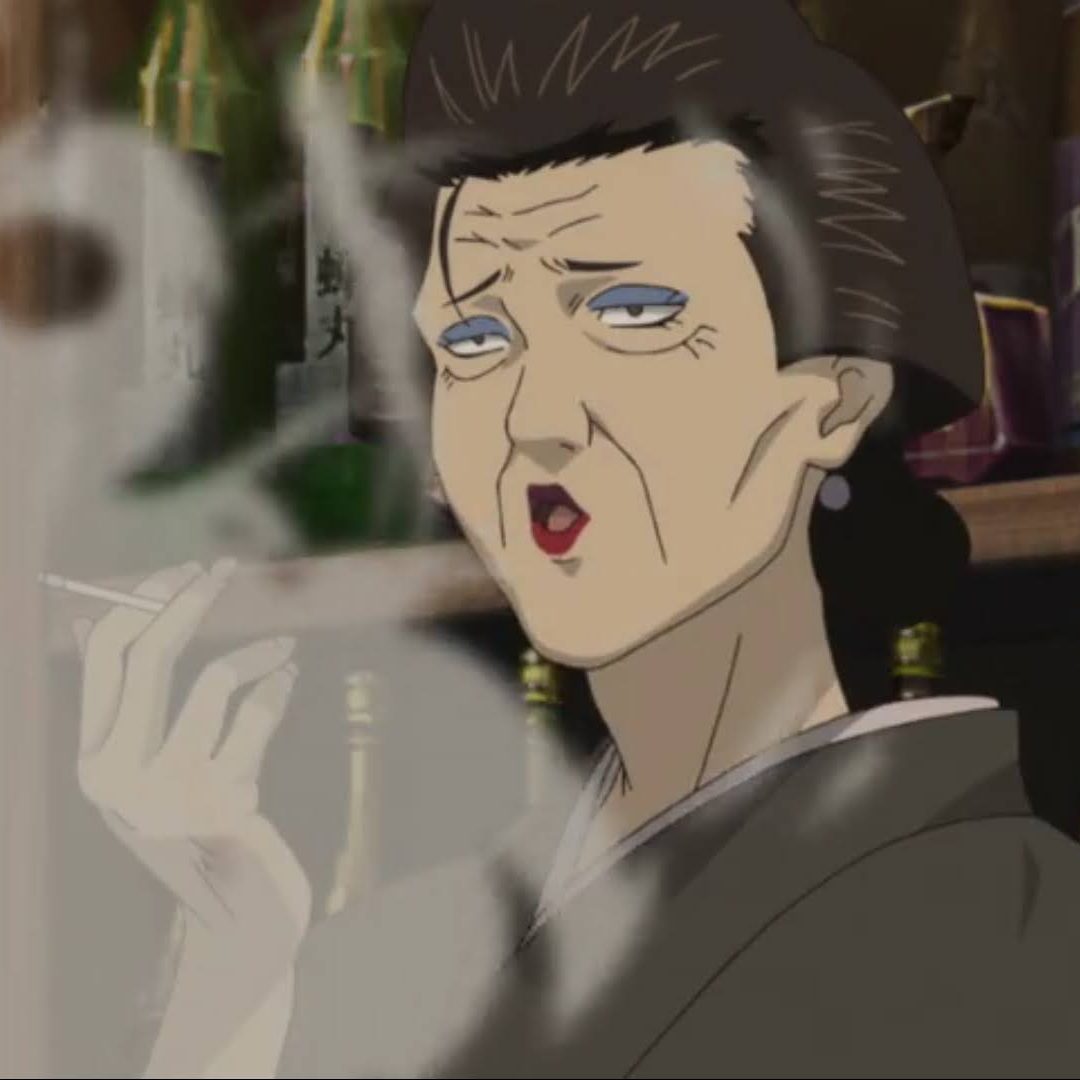
Otose/Terada Ayano
From a woman of the same name, who was married to Terada Isuke, a farmer in Terada village who also ran the Terada Inn, gathering place for ronin pro-imperal loyalists. After Isuke fell ill and died young at the age of 35, Otose continued to run the inn as proprietress.
Hiraga Gengai
From Hiraga Gennai, a pharmacologist, physician, author, painter, and inventor during the Edo period.
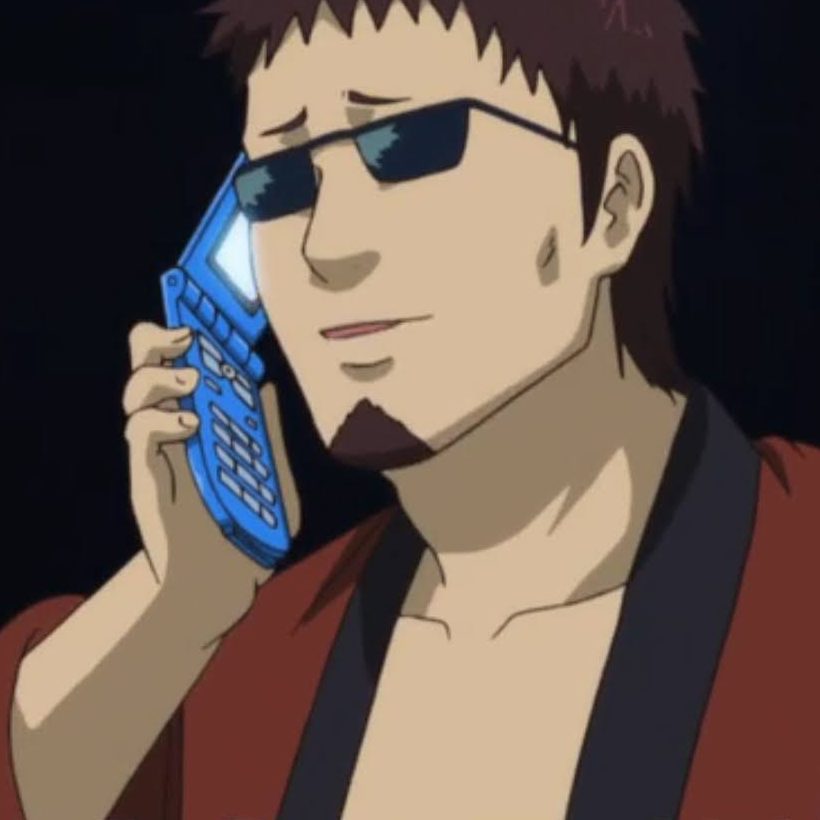
Hasegawa Taizou
Based on Hasegawa Nobutake, a bannerman of the mid-Edo period who served as the head of the fire bandit reformers.
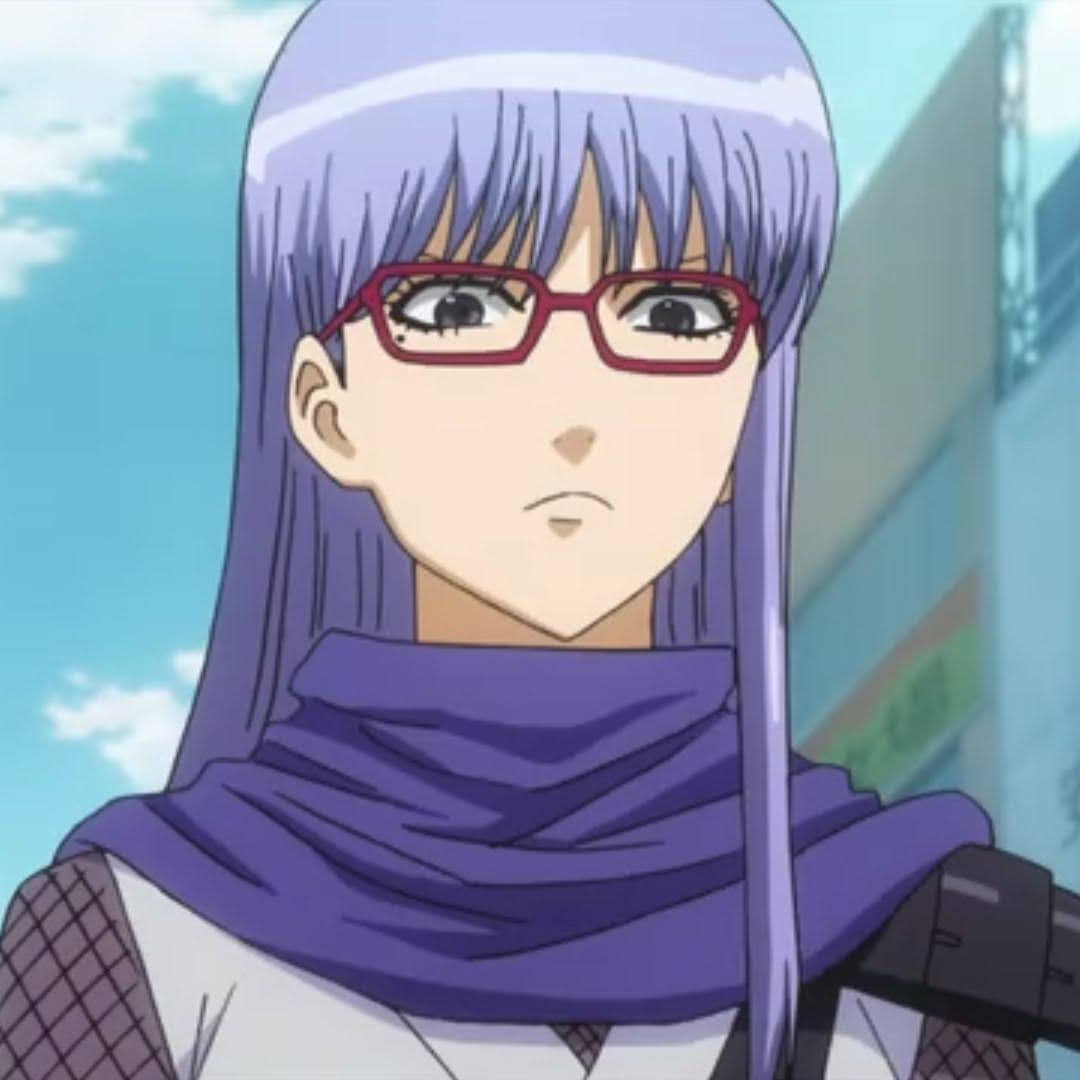
Sarutobi Ayame/Sacchan
From Sarutobi Sasuke, fictional character from traditional Japanese narratives. A popular story states that Sasuke was sent to infiltrate the Tokugawa castle, where he overheard plans of assassinating his master. Sacchan being sent to infiltrate the Tokugawa castle, to prevent Shigeshige’s assassination attempt in Lesson 502 could likely be a reverse parallel to this event.
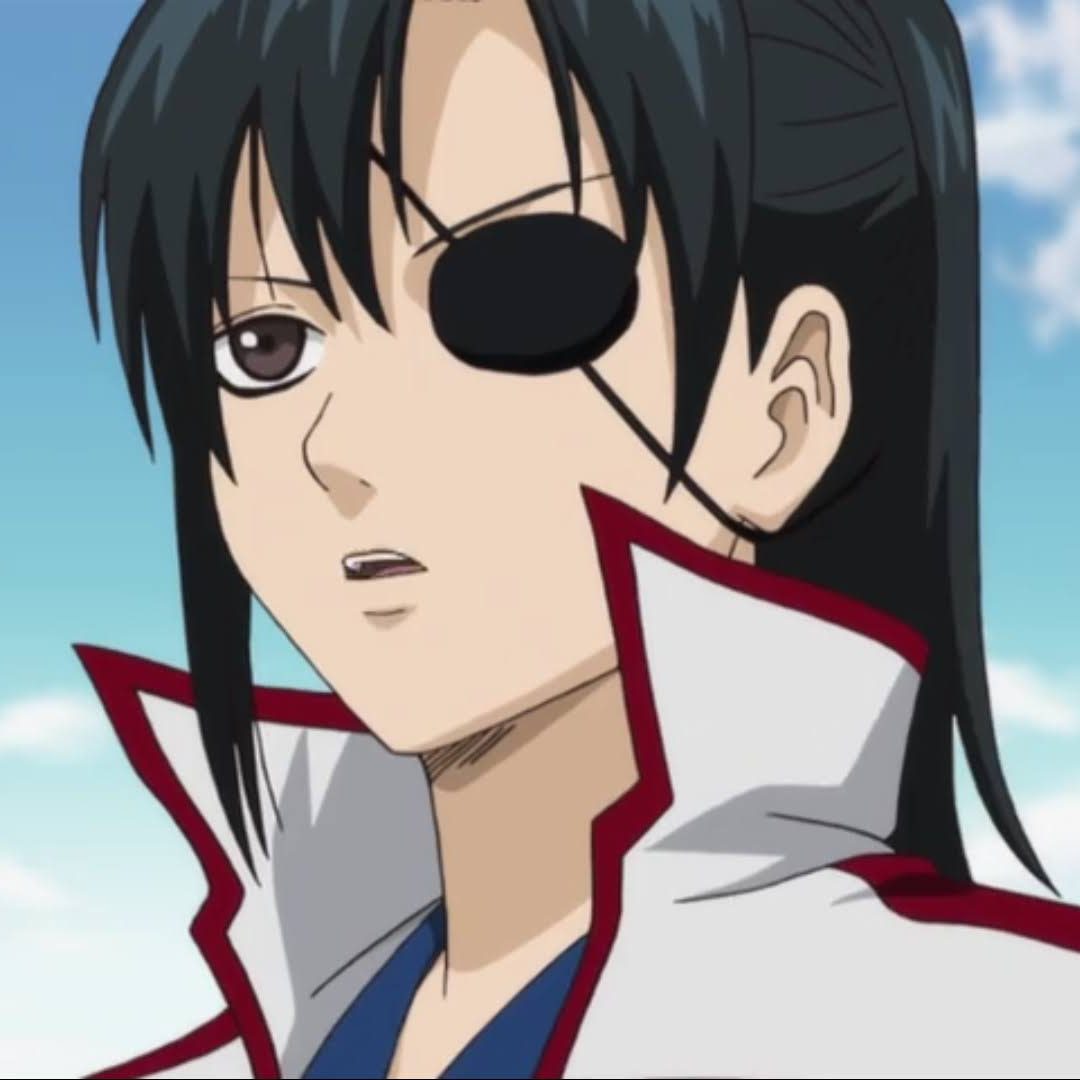
Yagyu Kyuubei
From Yagyū Jūbē Mitsuyoshi, famous samurai during Japan’s feudal era, from the Yagyu clan. According to one legend, he got his left eye injured while undergoing an intense training exercise, leading him to wear a pirate-like eye patch, which also became his trademark.
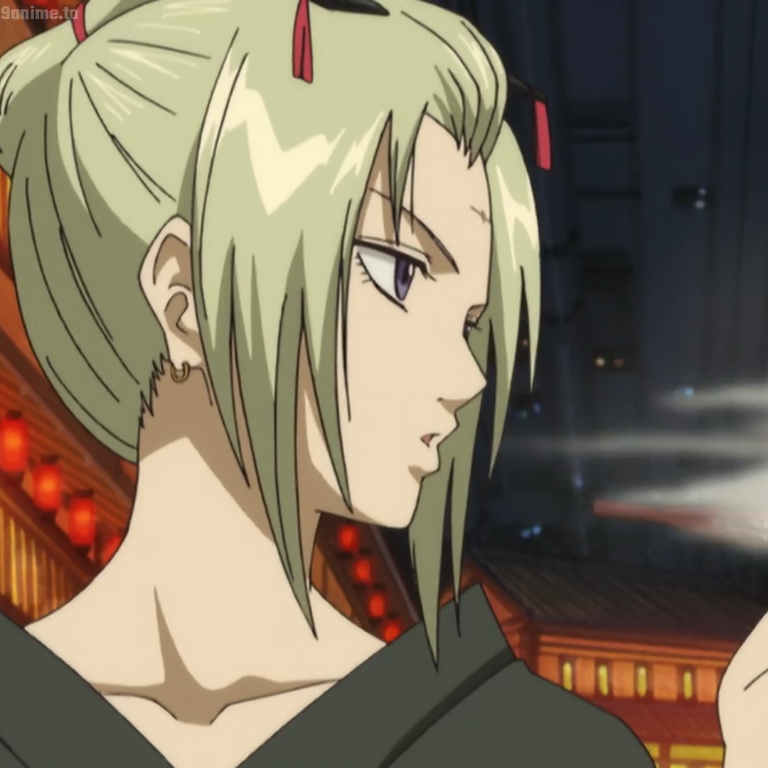
Tsukuyo
From Tsukuyomi-no-Mikoto or simply Tsukuyomi, the moon god in Japanese mythology and the Shinto religion.
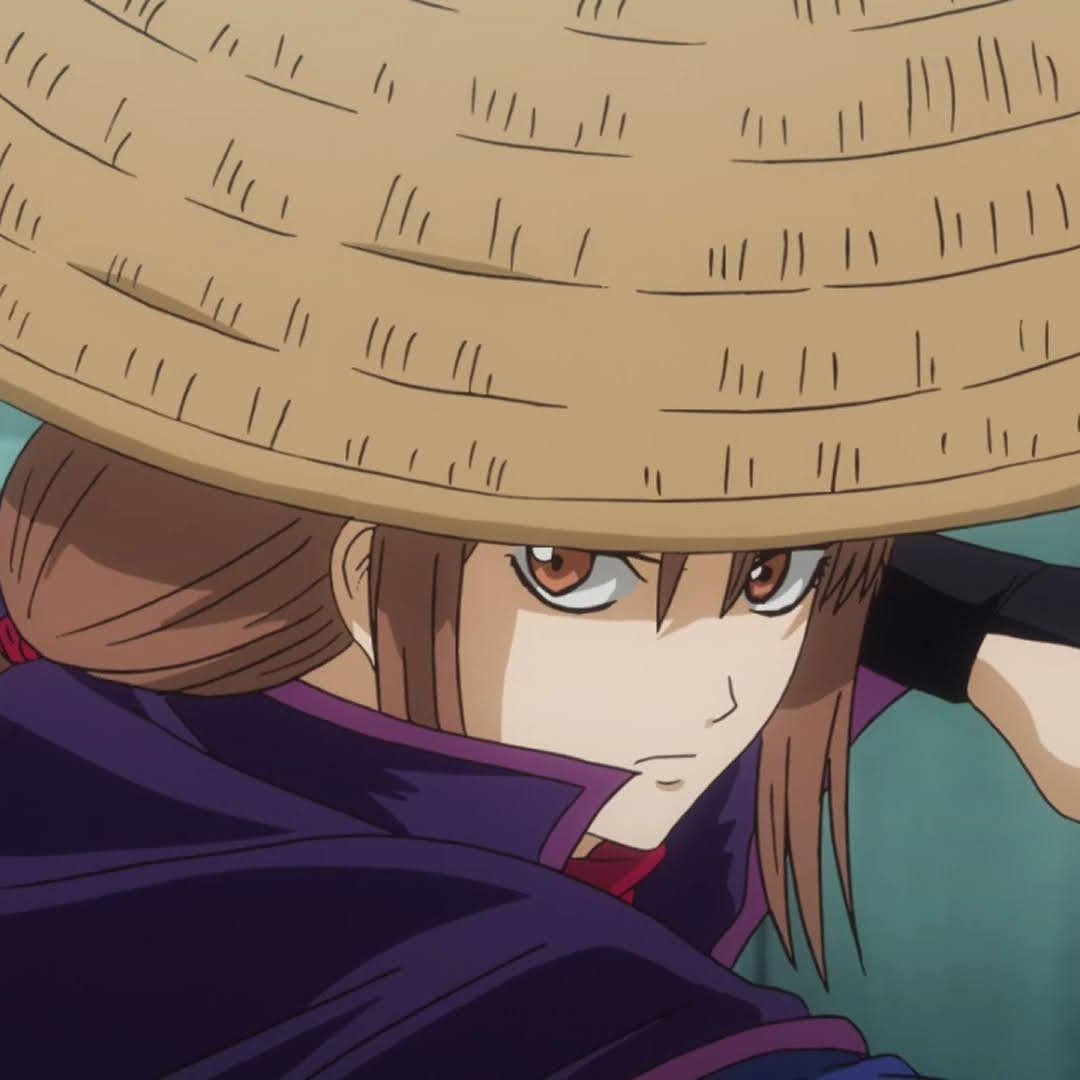
Mutsu
From Count Mutsu Munemitsu, a diplomat and statesman from the Meiji era, who joined forces with Sakamoto Ryōma and the latter’s Kaientai to overthrow the Tokugawa Shogunate.
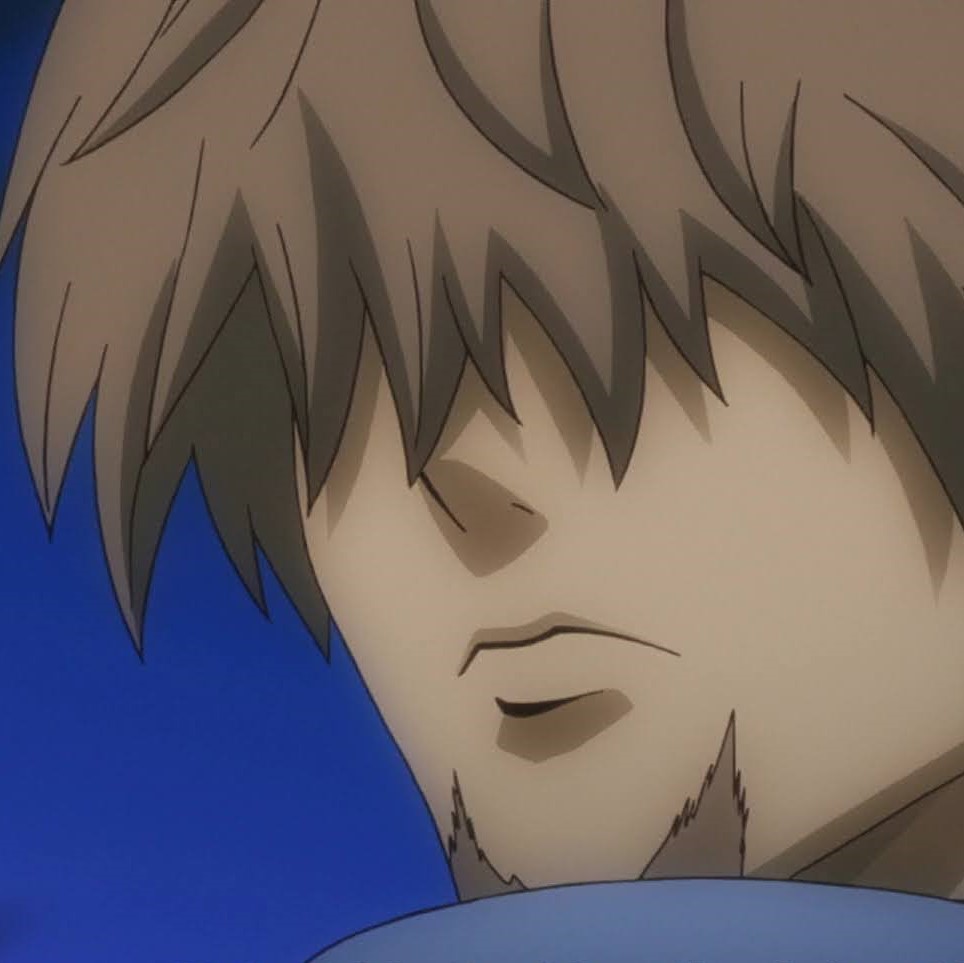
Hattori Zenzou
Based on Hattori Hanzō, a famous ninja who served the Tokugawa clan, saving the life of Tokugawa Ieyasu and then helping him to become the ruler of Japan.
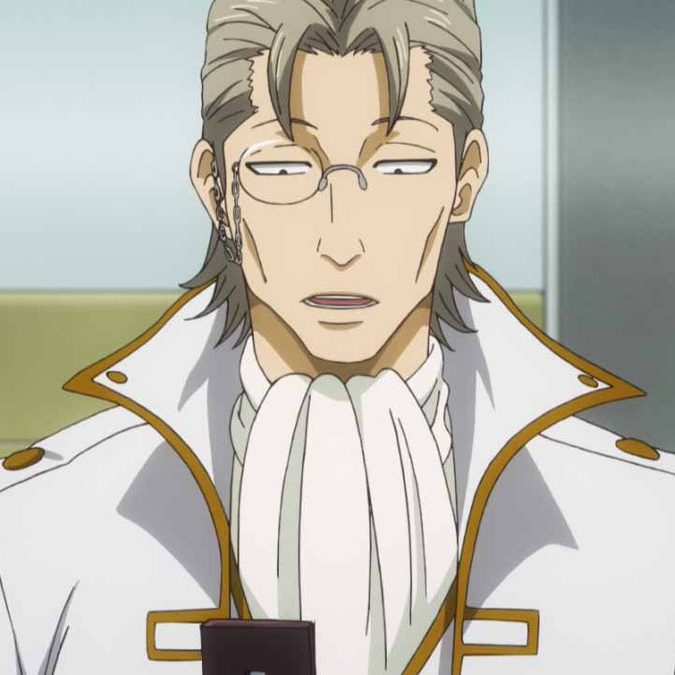
Sasaki Isaburo
From Sasaki Tadasaburo, real life commander of the Mimawarigumi. Tadasaburo was allegedly responsible for the assasination of Sakamoto Ryōma. However, Kondo Isami was accused of the murder, and got executed in Tadasaburo’s place.
Tadasaburo died on February 5th, which is also the birthday of Isaburo in the Gintama series.
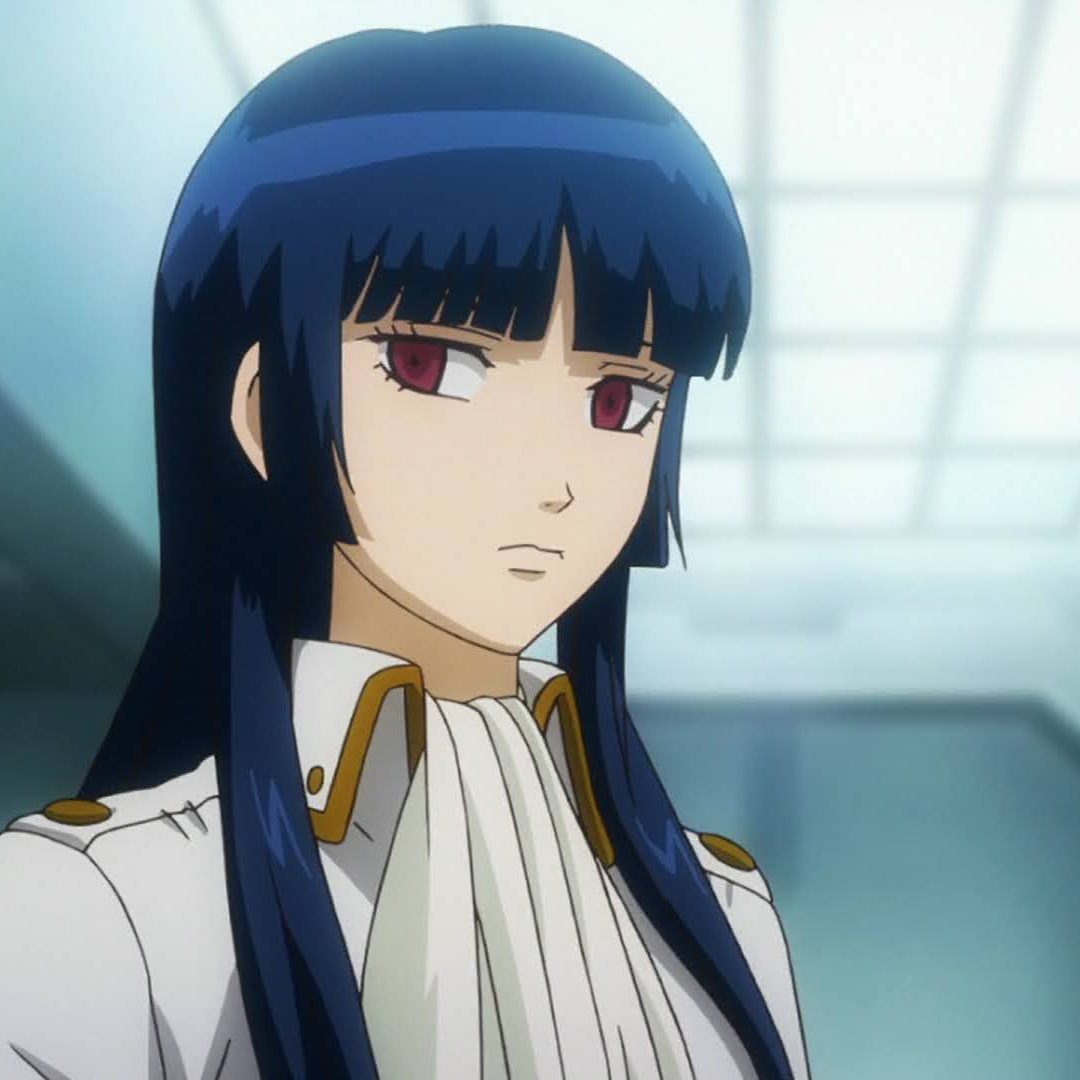
Imai Nobume
From Imai Noburō, ex-member of the real life Mimawarigumi. Noburō alongside Sasaki Tadasaburo and other Mimawarigumi members, assisted in the murder of Sakamoto Ryōma. He confessed this to a Military Judiciary Panel in 1870.
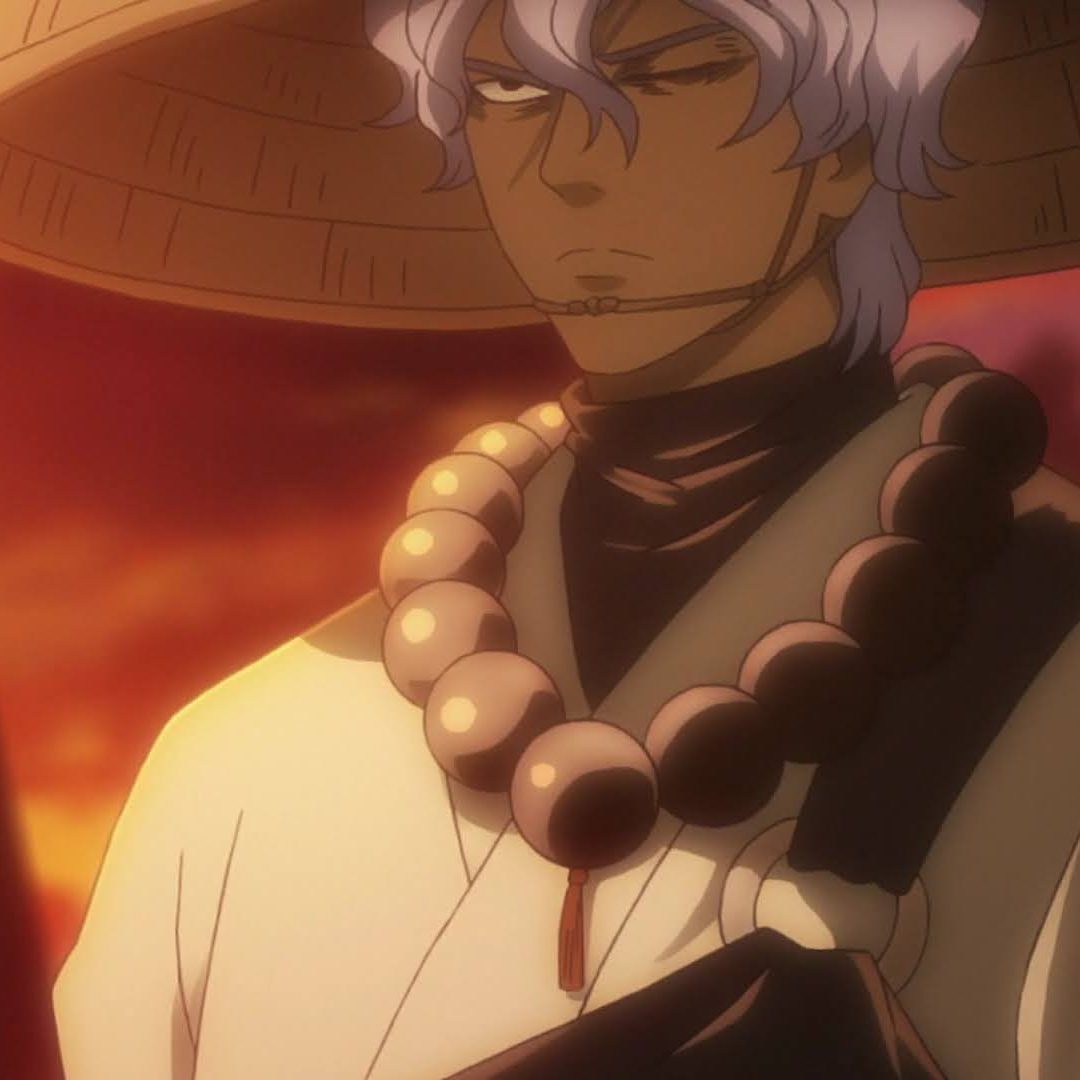
Oboro
His title, Yatagarasu (八咫烏, eight-span crow), is based on the holy creature of the same name, servant of sun goddess Amaterasu.
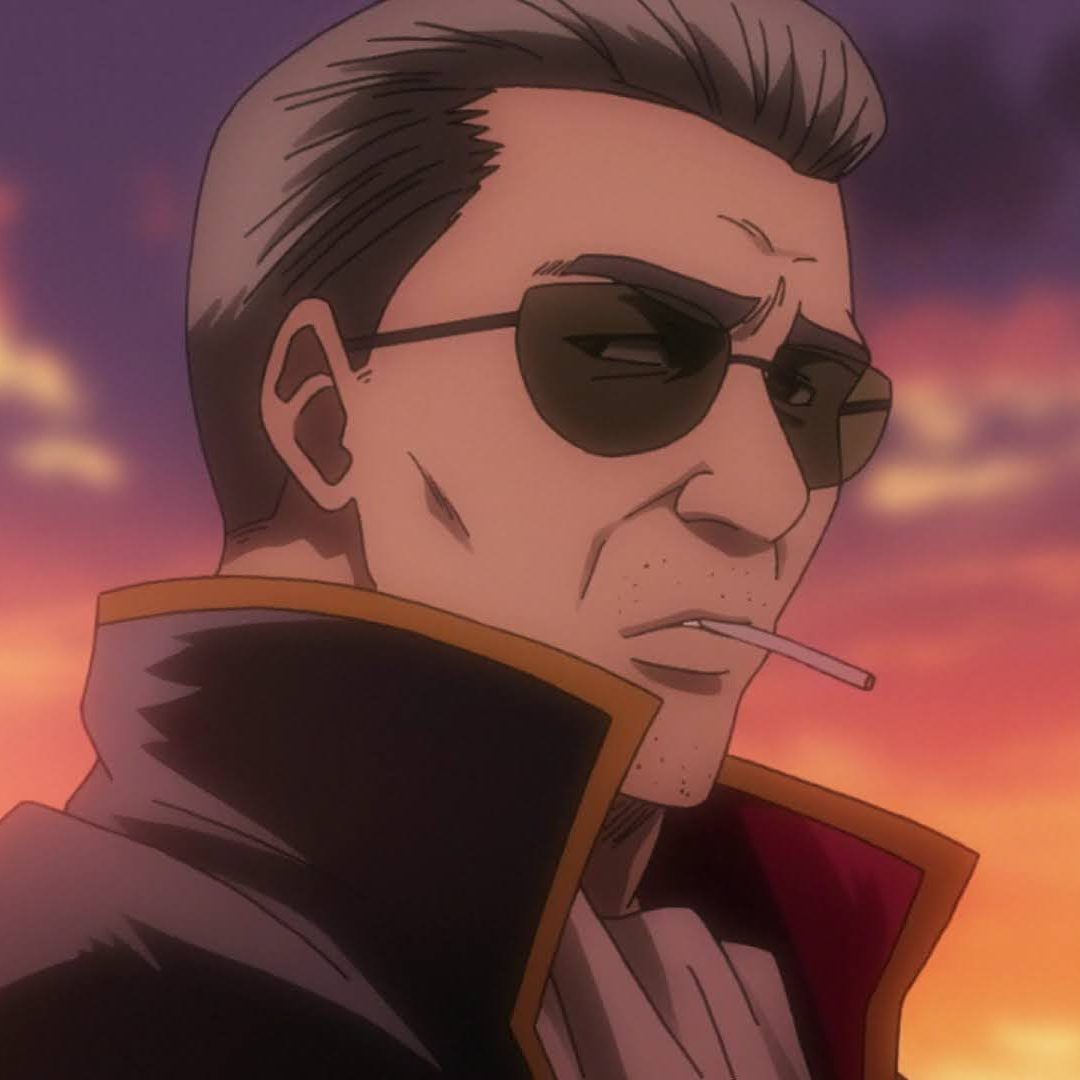
Matsudaira Katakuriko
From Matsudaira Katamori, a samurai and military commissioner during the Bakumatsu period, who contributed in keeping public order in Kyoto. He had control on several city patrol units, including the Shinsengumi, which he himself established.
Katakuriko was also modeled after Robert De Niro.
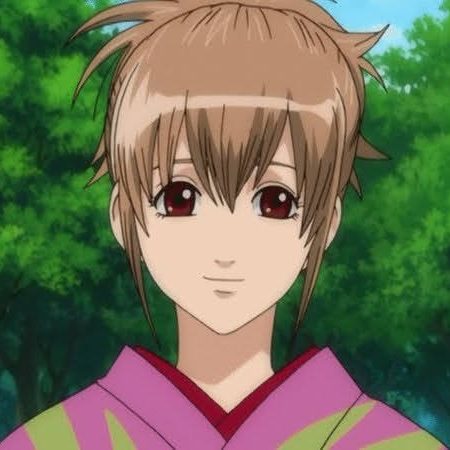
Okita Mitsuba
Based on Okita Mitsu, older sister of Okita Soji, who took care of her ill younger brother when he got tubercolosis, until he passed away.
Mitsuba also shares the same birthday as the real life Mitsu (May 26).
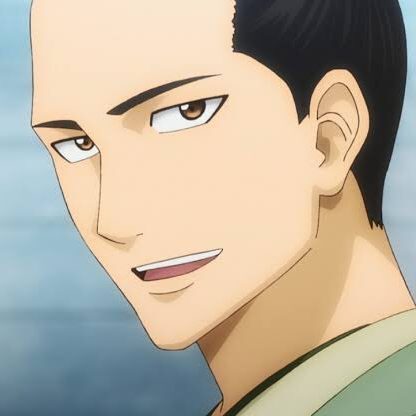
Tokugawa Shigeshige
From Tokugawa Iemochi, 14th shogun of the Tokugawa shogunate of Japan. The kanji for mochi (茂) can also be read as Shige.

Tokugawa Sadasada
Based on Tokugawa Iesada, 13th shogun of Japan’s Tokugawa shogunate. His reign marked the beginning of the Bakumatsu period in Japan. Similarly in Gintama, Sadasada rebuilt the Bakufu after replacing the 12th shogun.
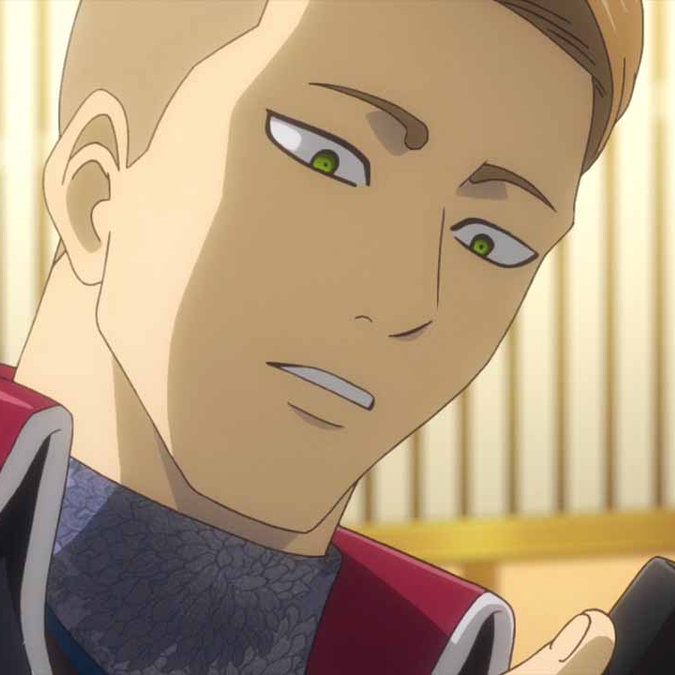
Hitotsubashi Nobunobu
Based on Tokugawa Yoshinobu, the 15th and last shogun of the Tokugawa shogunate in Japan.
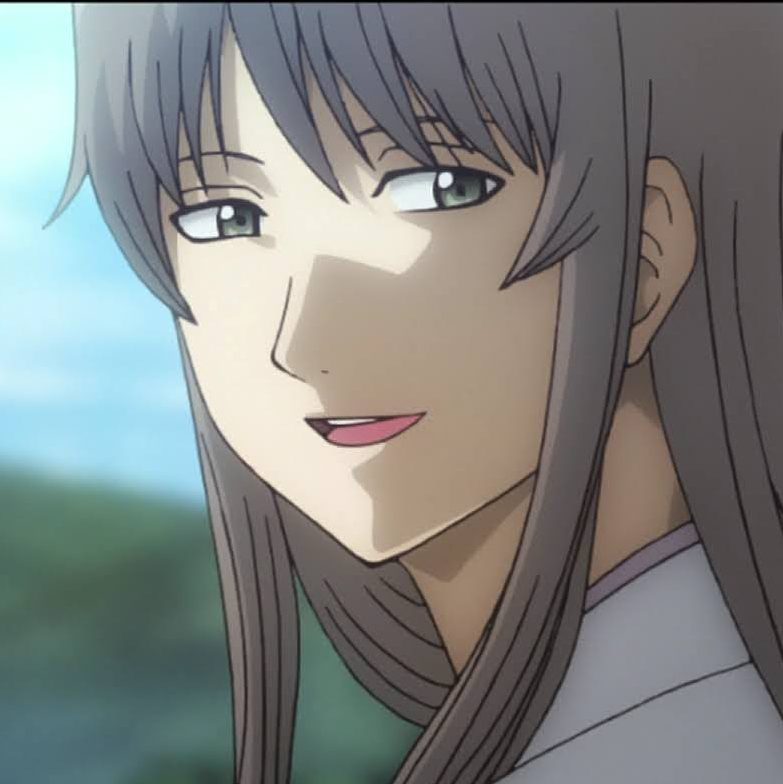
Yoshida Shouyou
Based on Yoshida Shōin, an influential intellectual during the late years of the Tokugawa Shogunate. He was imprisoned in Edo and sentenced to house arrest in Hagi later. He ran a school in jail, and after being released he taught the youth about military arts and politics at the Shoka Shonjuku that he took over from his uncle. His death day, October 27th, is also the date of birth of Shoyo’s other personality in Gintama, Utsuro.
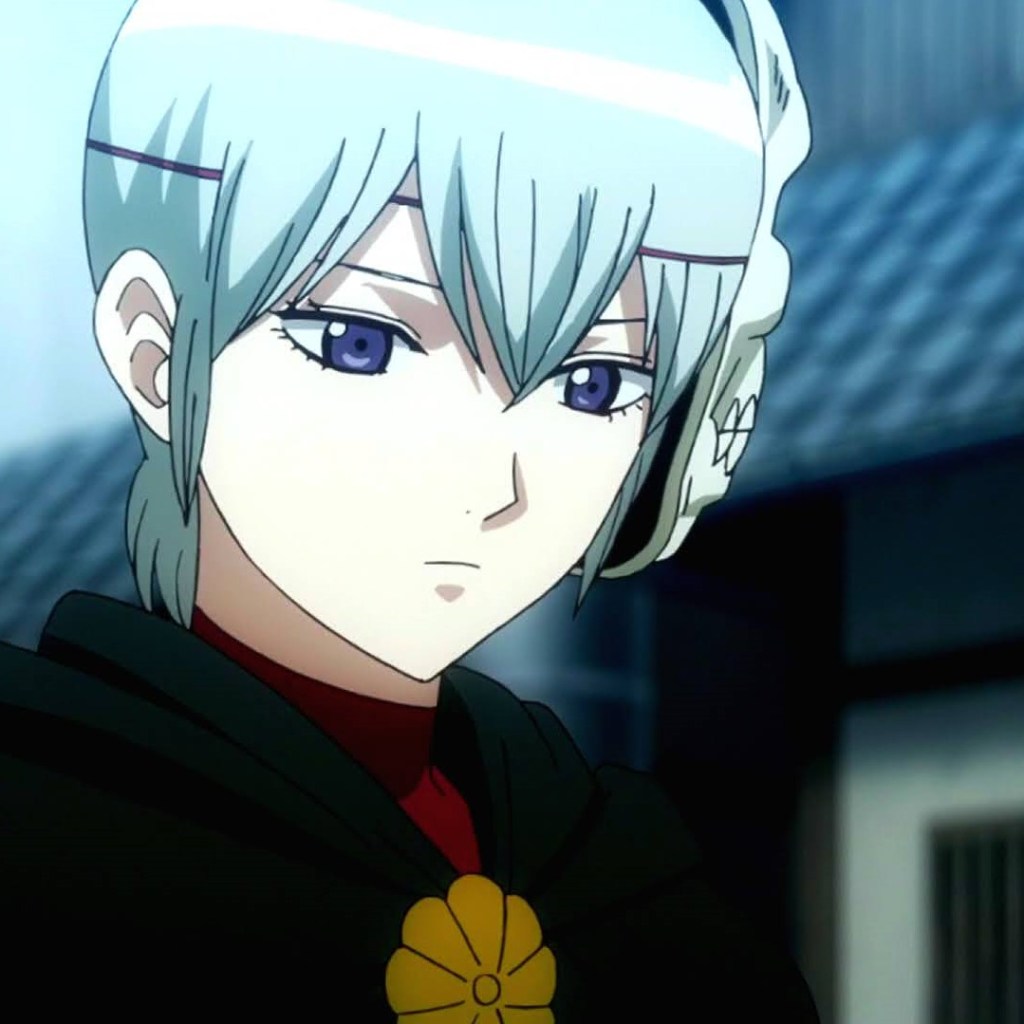
Ikeda Asaemon
Based on Yamada Asaemon, name given to the head of the Yamada clan, who served the shogunate as sword inspectors and executioners, and possibly on Yamada Asaemon Yoshitoshi, who got adopted into the clan, like his fictional counterpart.
The head of the 7th generation, Yamada Asaemon VII, was appointed as the executioner of Yoshida Shoin.
The fictional Asaemon’s face pattern was modeled after Japanese model, Ayame Goriki.
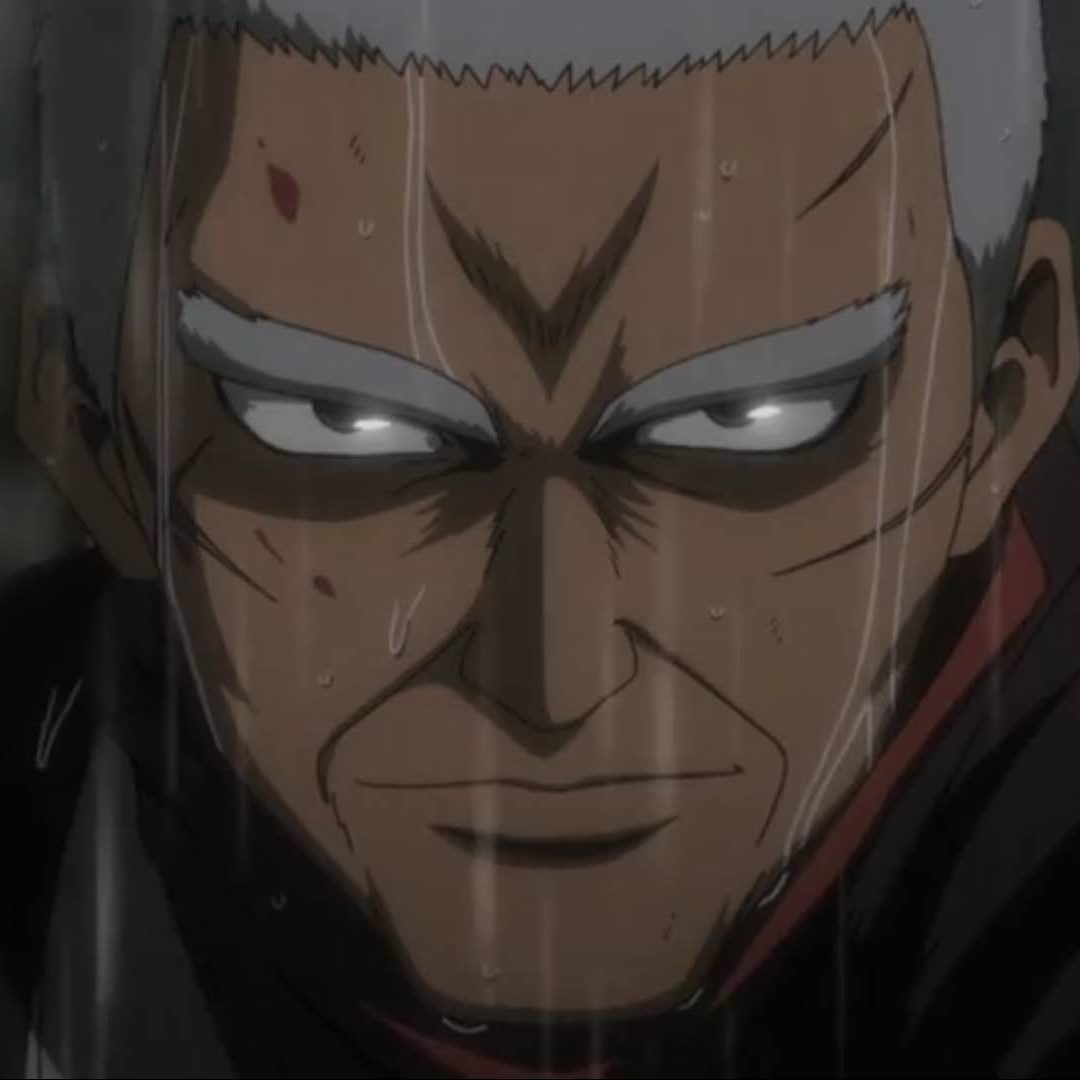
Doromizu Jirochou
Based on Shimizu Jirocho, the most famous Yakuza in Japan. At one point, he left his business, divorced from his first wife after giving birth to a child, and traveled, living his life as a vagabond.
He was born on February 14th, same date as Jirochou’s daughter Doromizu Pirako in Gintama.
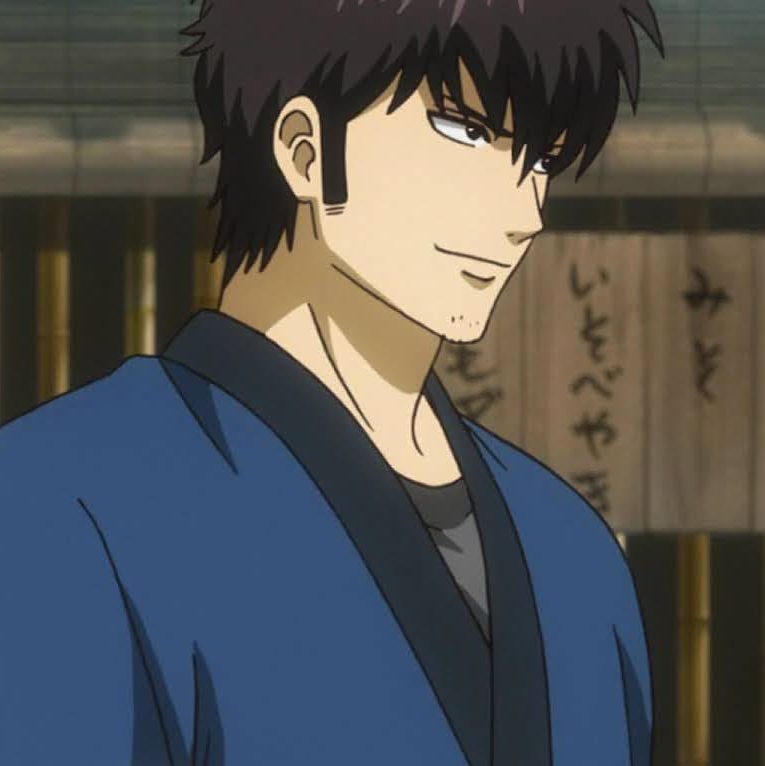
Terada Tatsugoro
Based on Shinmon Tatsugoro, a chivalrous fireman of the late Edo period.
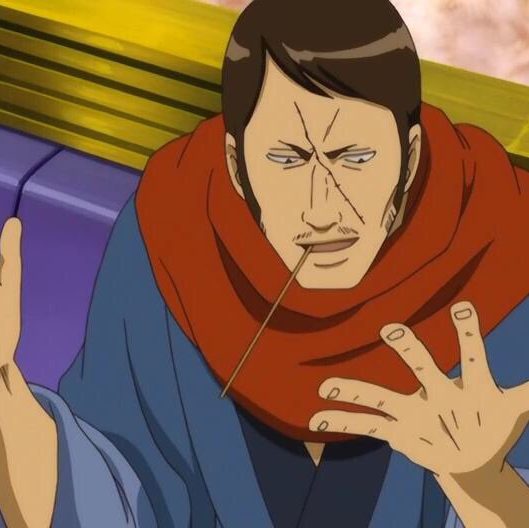
Kuroguma Katsuo
Based on Kurokuma Katsuzo, a kyokaku (street knight). He was in conflict with Shimizu no Jirocho over the interests of Fujikawa boating, and Jirocho’s sphere of influence.
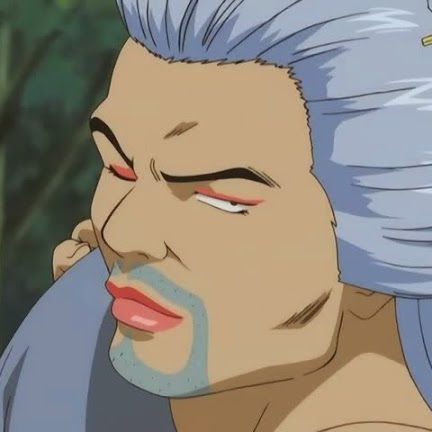
Saigou Tokumori
Based on Saigō Takamori, a highly influential samurai in Japanese history, and one of the Three Great Nobles alongside Kogoro Katsura, who led the Meiji Restoration.

Kujaku Hime Kada
Probably based on Chinese physician Hua Tuo, from the Eastern Han dynasty. His name in Japanese is pronounced “Kada”, and has the same kanji writing as the fictional character (華陀).
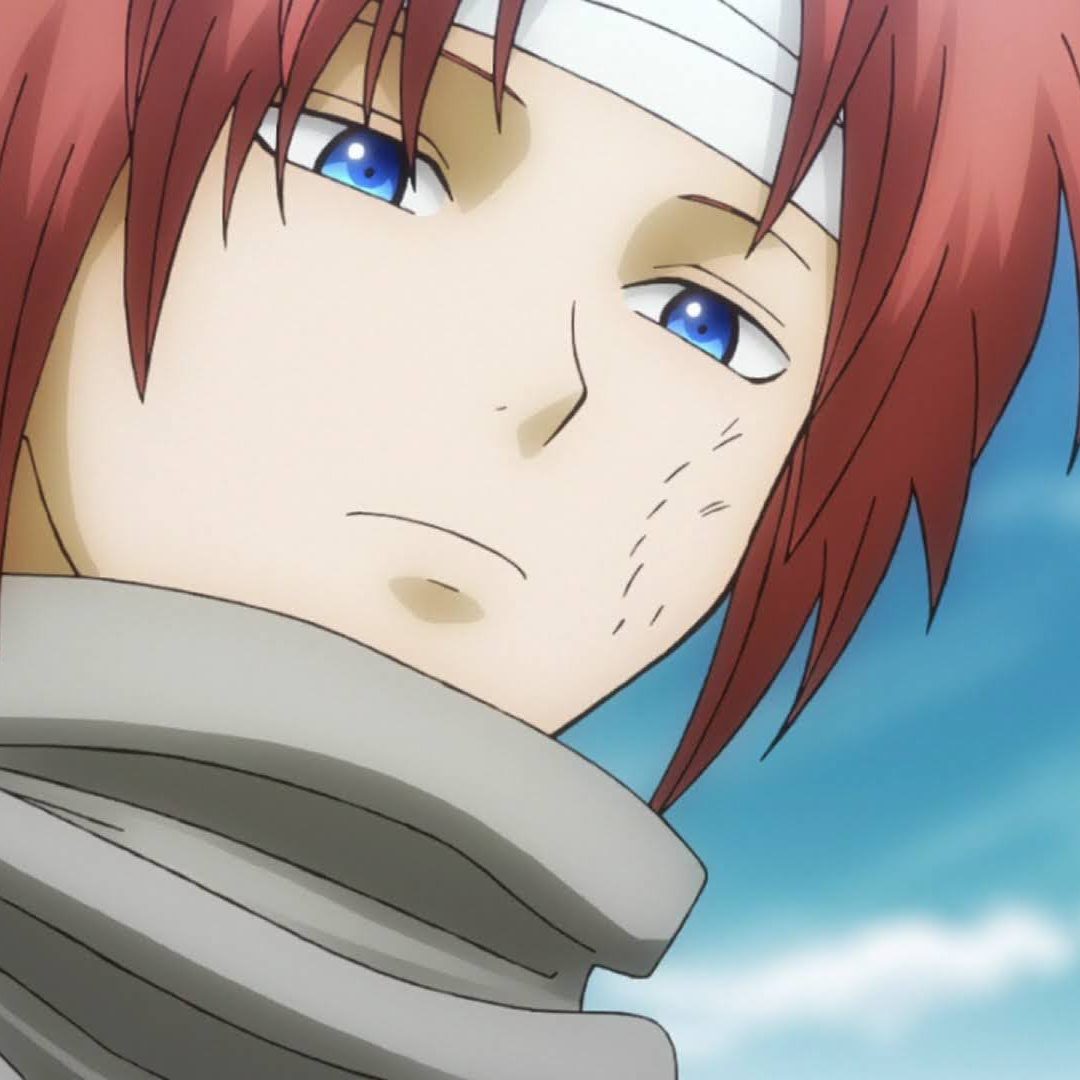
Kamui
From Mt. Kamui (神威岳), a mountain located in Hidaka Mountains, Hokkaido. Kamui is also a term used to describe spiritual or divine beings in Ainu mythology.
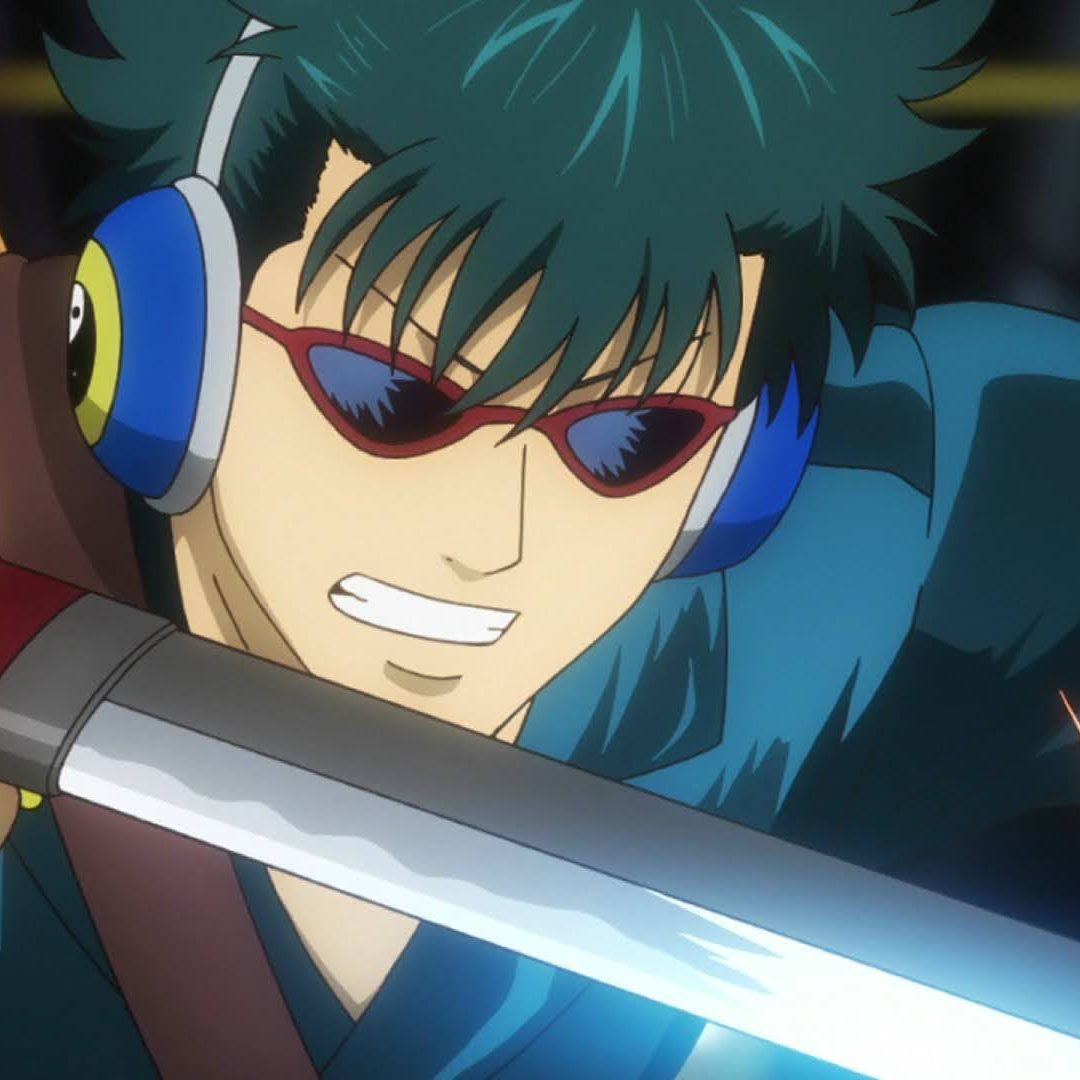
Kawakami Bansai
Based on Kawakami Gensai, a Japanese samurai, and notable assassin or hitokiri (manslayer) the Bakumatsu period. After his most famous assassination, he withdrew to Choshu to join Takasugi Shinsaku’s Kiheitai in the military actions against the Tokugawa shogunate’s Choshu expeditions.
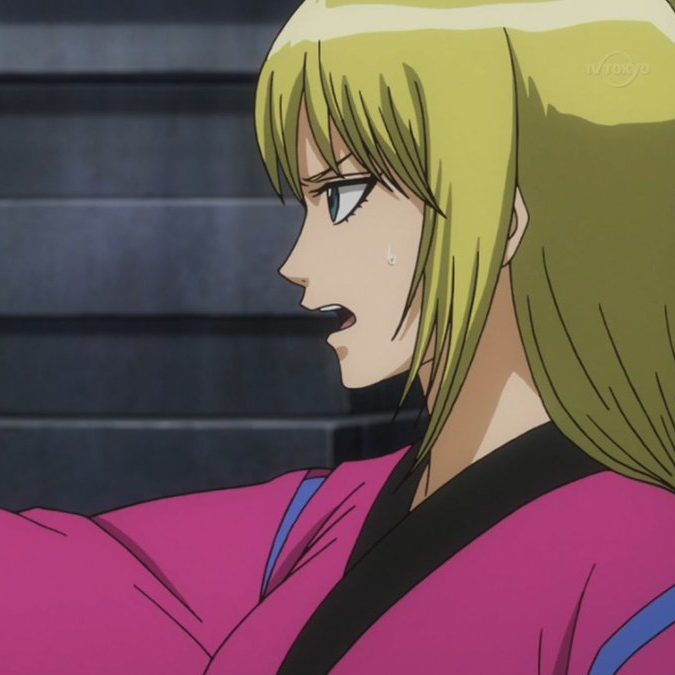
Kijima Matako
Based on Kijima Matabei, a Japanese samurai who served as retainer to Lord Mori of Choshu. Takasugi Shinsaku tried to dissuade Matabei from his plan to fight the Satsuma and Aizu in Kyoto in 1864, but failed to do so.
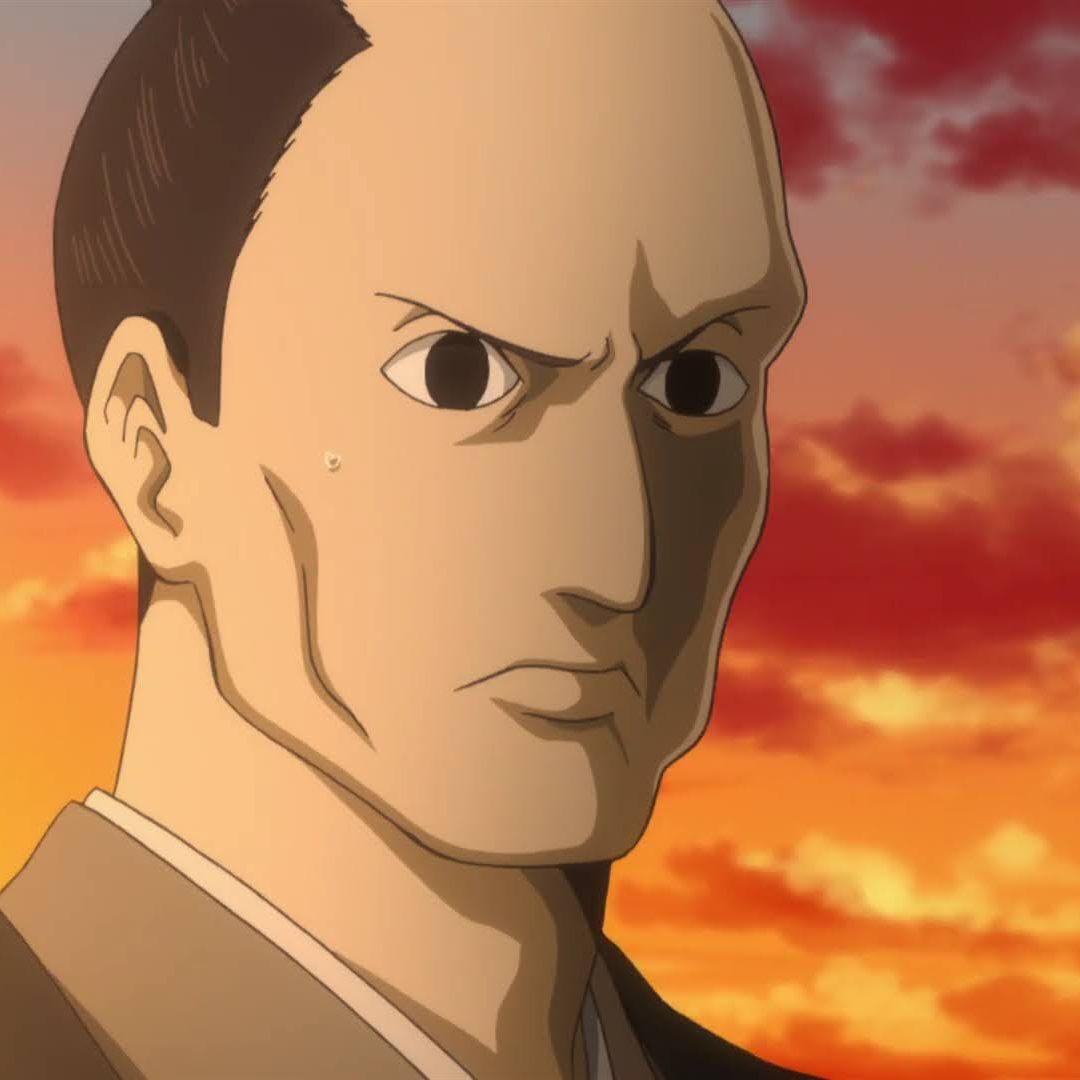
Takechi Henpeita
Based on Takechi Hanpeita (real name Takechi Zuizan), a Japanese samurai of the Tosa Han who recruited anti-Bakufu members under his party, the Tosa Kinnō-tō (Tosa Imperialism Party).
Okada Nizou
Based on Okada Izō, a Japanese samurai, and one of the four most feared assassins during the Bakumatsu period, alongside Kawakami Gensai. He was active in Kyoto as an assassin under the leadership of Takechi Hanpeita.
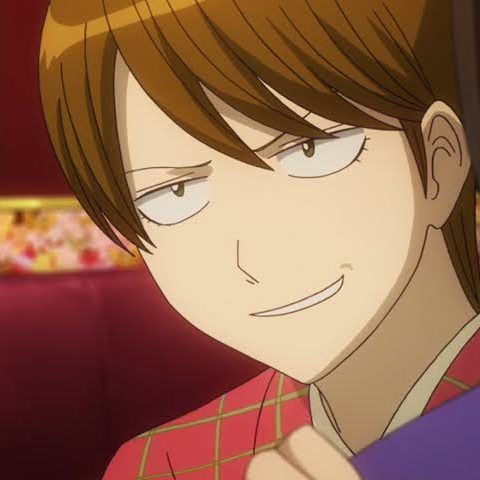
Oryou
Based on the real life Oryou (real name Narasaki Ryō), wife of Sakamoto Ryoma. She is known for saving Ryoma’s life from an assassination attempt during the Teradaya incident.
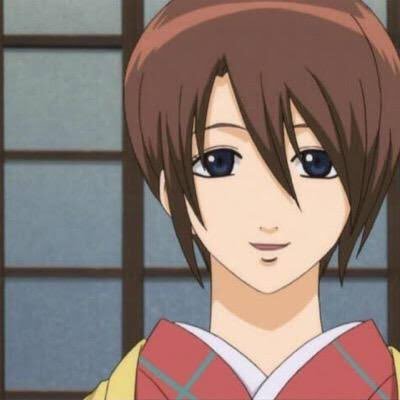
Ketsuno Crystel
Based on Takigawa Christel, a French Japanese TV announcer and news presenter. Just as Takigawa, Crystel (and also Seimei) is of mixed blood.
She’s also based on former Fuji Television announcer Mikano Nakano, with whom she shares the same birthday (Dec. 14).
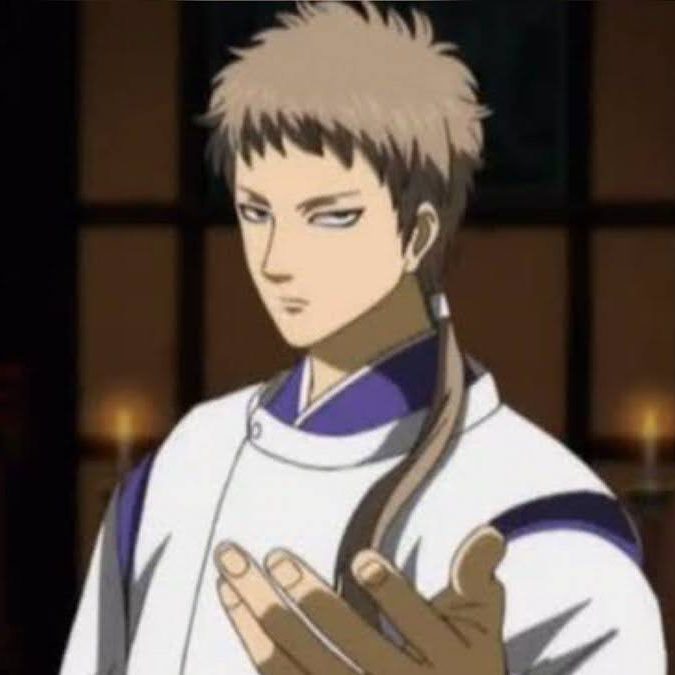
Ketsuno Seimei
Based on Abe No Seimei, an onmyōji from the Heian period, and a legendary figure in Japanese folklore. In Gintama, Seimei summons a fox-like shikigami called Kuzunoha , who’s based on the Abe No Seimei’s mother of the same name.
Ketsuno Seimei was born on February 21st like his historical model.
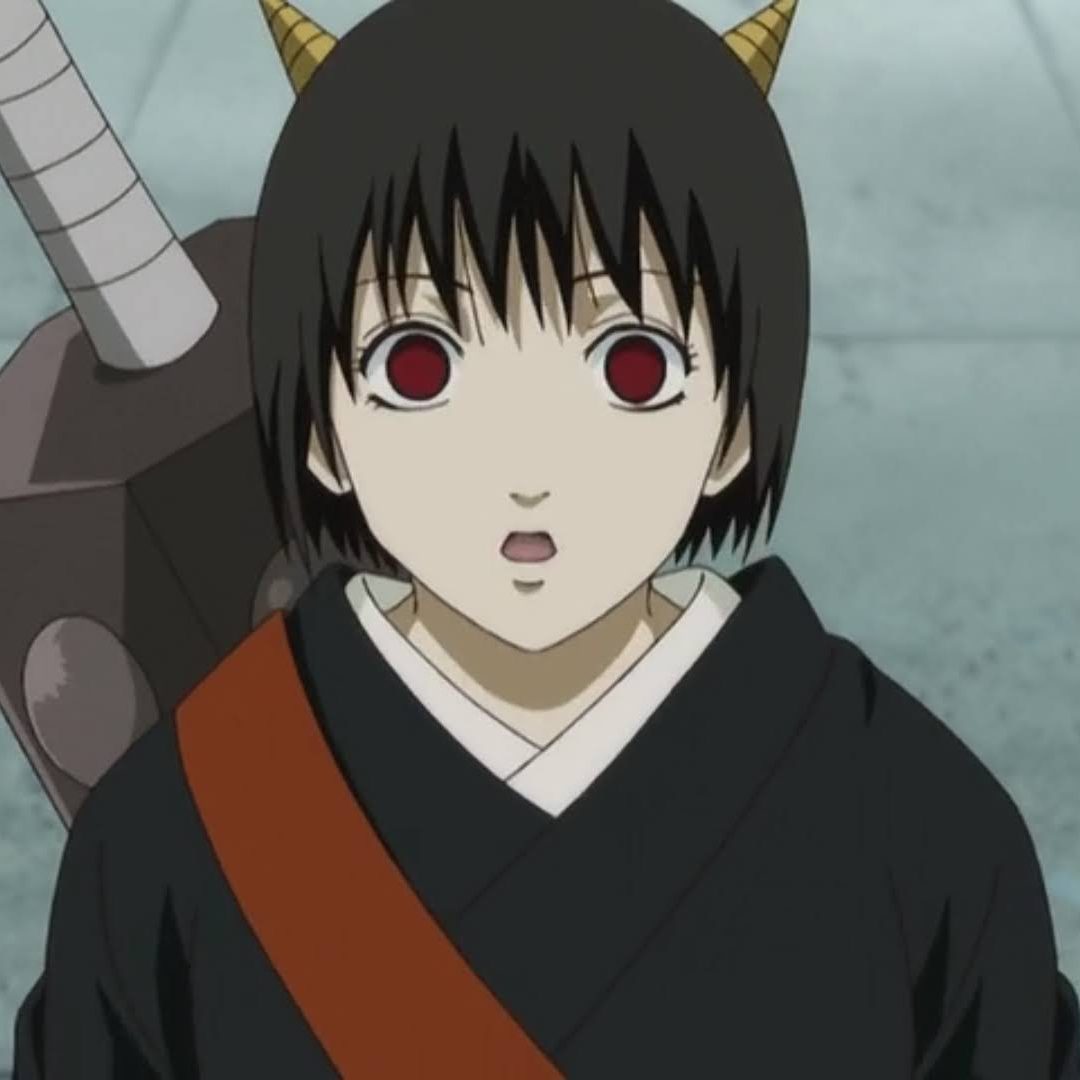
Gedoumaru
Based on Shuten-dōji, a mythical demon in Japanese folklore, whose childhood name was also Gedoumaru. He was exorcised by Minamoto Raito and his Shitenno (Four Heavenly Kings), one of them being Sakata Kintoki.
Gintama‘s Gedoumaru is from Ōeyama, just like her character model.
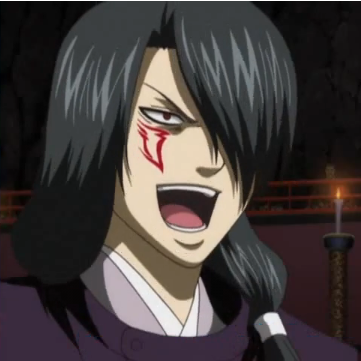
Shirino Douman
Based on Ashiya Dōman, an onmyoji during the Heian period in Japan, and rival of Abe No Seimei in onmyodo.
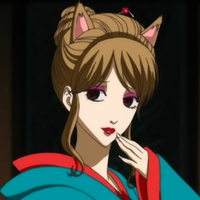
Kuzunoha
Based on a kitsune of the same name from folklore. She was the mother of Abe No Seimei.
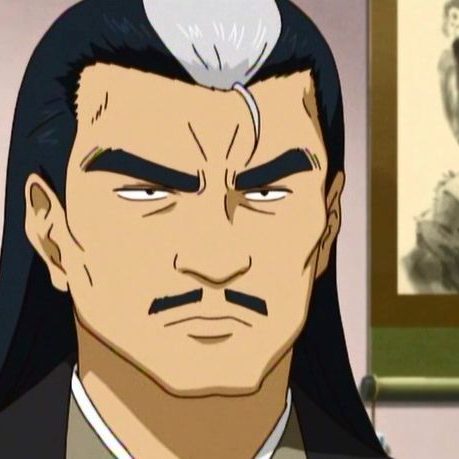
Yagyuu Koshinori
Based on Yagyu Munemori, a swordsman and founder of the Edo branch of the Yagyu Shinkage-ryu school. Koshinori’s birthday takes place one day before Munemori’s.
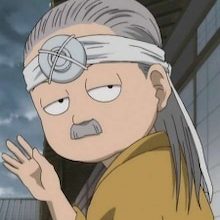
Yagyuu Binbokusai
Based on Yagyu Sekishusai Munetoshi, a samurai in Japan’s Sengoku period, famous for mastering the Shinkage-ryū school of combat, which he introduced to the Tokugawa clan.
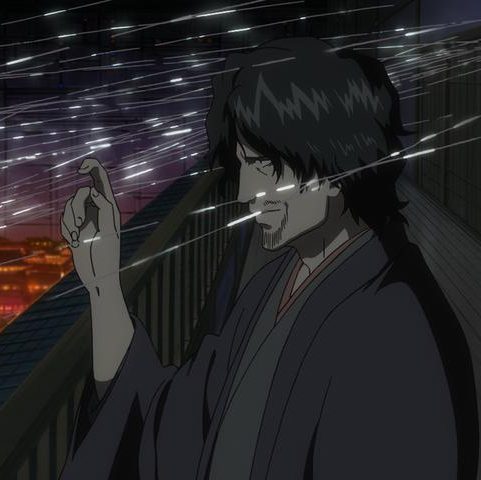
Jiraia
His real name, Tobita Danzo is based on Katō Danzō, a famed ninja from the 16th century, during Japan’s Sengoku period. He was also known as flying Katō.
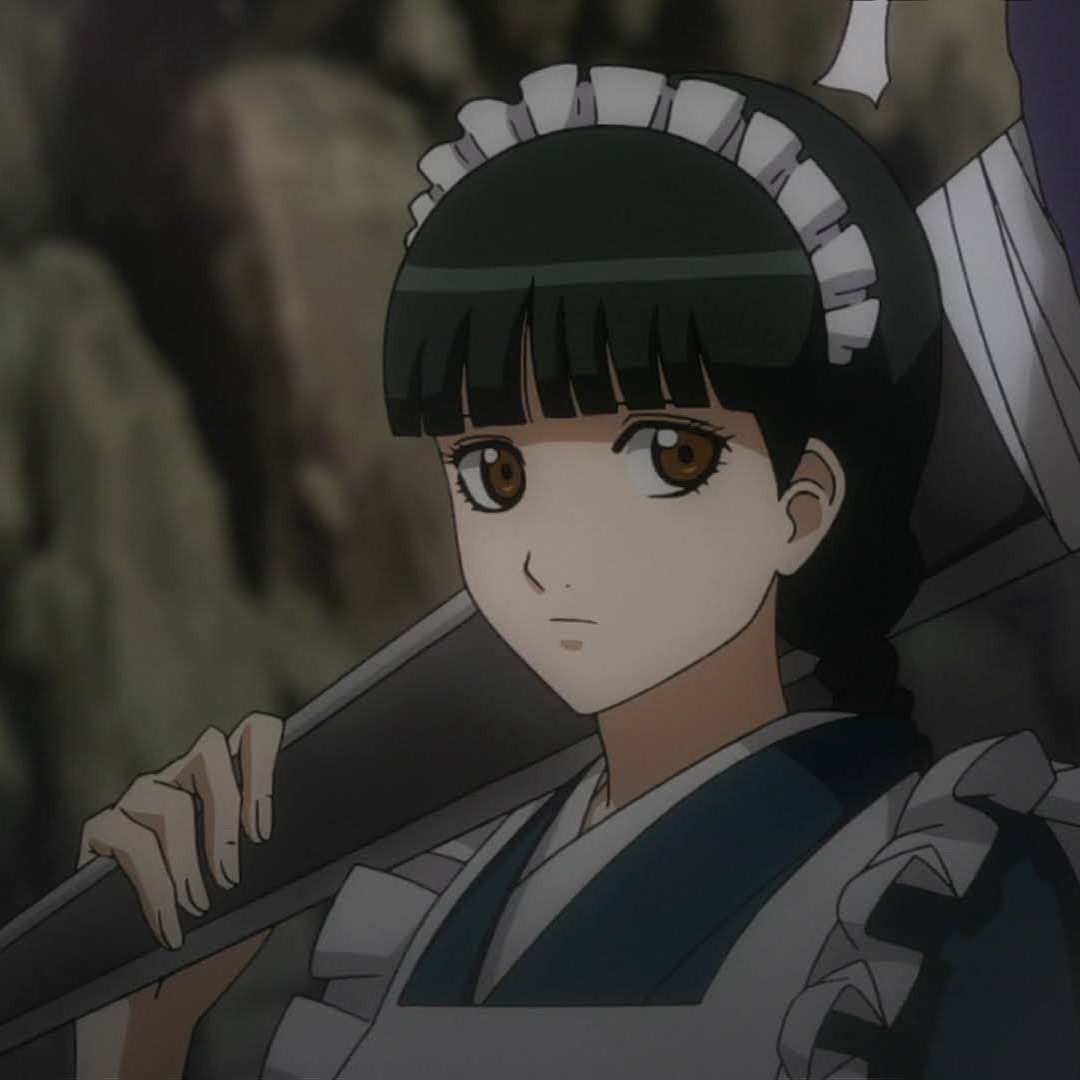
Momochi Rappa
Based on Momochi Tanba, a famous ninja, considered to be the founder of Iga style Ninjutsu in the Sengoku period (Japan). He was one of the three rulers of the Iga ninja.
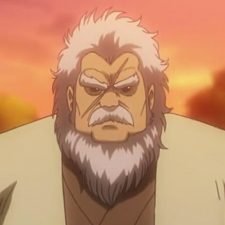
Fujibayashi Gaimon
Based on Fujibayashi Nagatonokami, a ninja of the Warring States period and the head of the Fujibayashi clan, one of the three Ninja families of Iga.
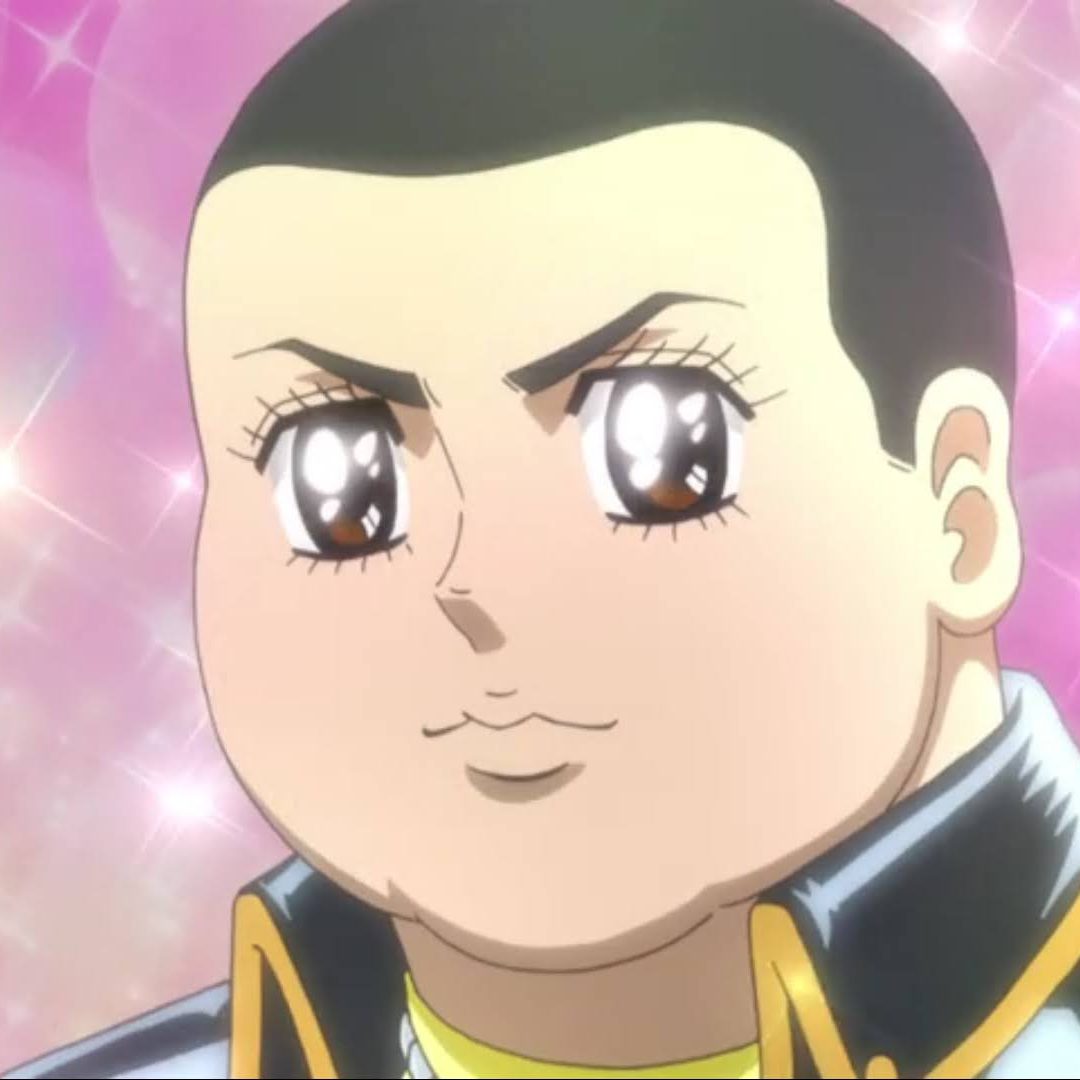
Sasaki Tetsunosuke
Based on Ichimura Tetsunosuke, a member of the Shinsengumi and Hijikata Toshizou’s page boy.
Harada Unosuke
Based on Harada Sanosuke, a samurai from the late Edo period, and the 10th unit captain of the Shinsengumi.
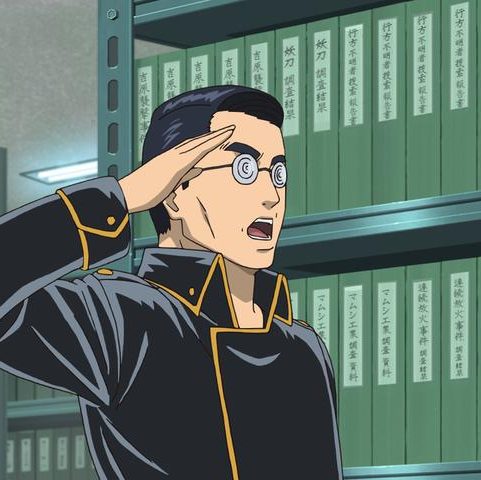
Kamiyama
Based on Hirayama Goro, assistant deputy leader in the Shinsengumi.
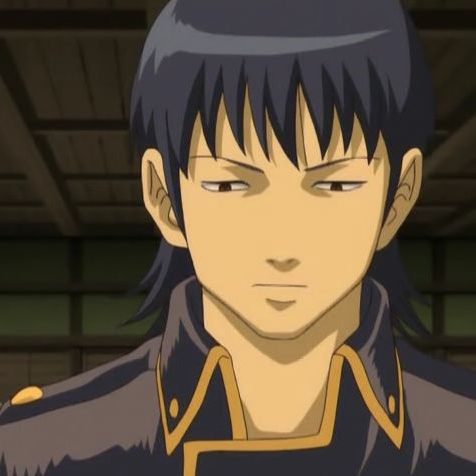
Shinohara Shinnoshin
Based on Shinohara Yasunoshin, a former interrogator and inspector general in the Shinsengumi, who joined the Ito group and tried assassinating Kondo Isami.
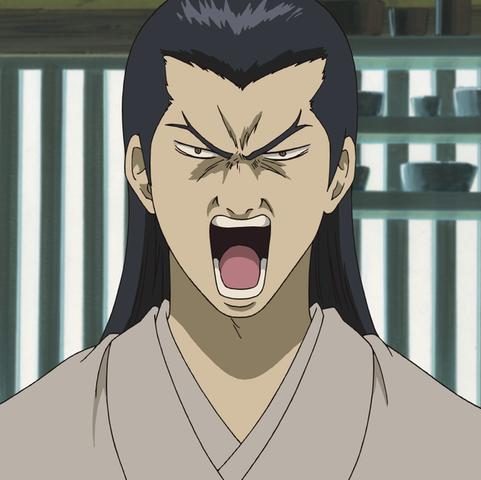
Murata Tetsuya
Based on Murata Tsuneyoshi, a samurai of the Satsuma clan and a soldier in the Japanese Army. He was the developer of the Murata gun.
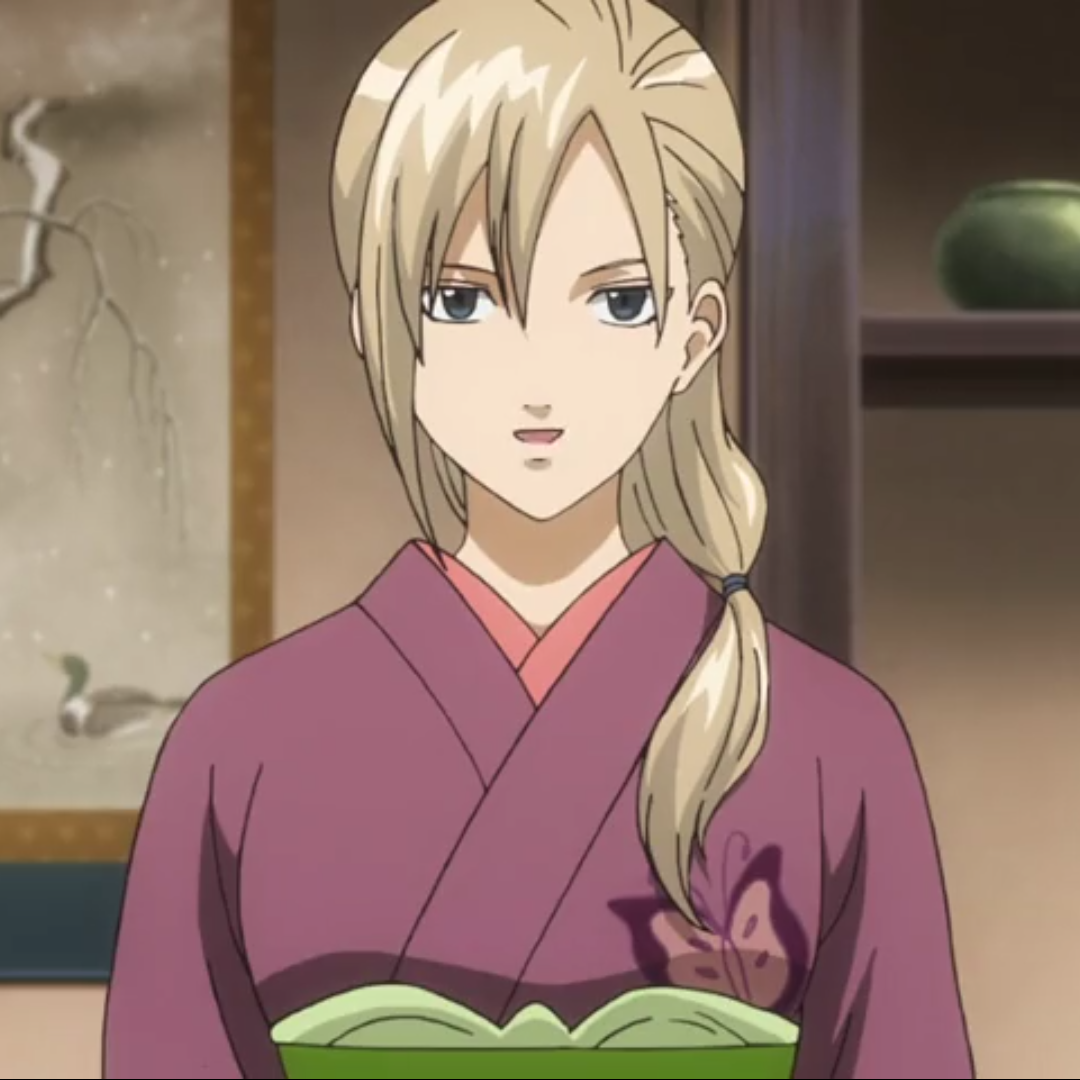
Nishiki Ikumatsu
Based on a geisha and nun from the late Edo period known as Ikumatsu (birth name Kido Matsuko). She saved Kogoro Katsura’s life when he had to flee to Kyoto after the unsuccessful attempt at Hamahuri Gate, and after the Meiji Restoration, she became his wife.
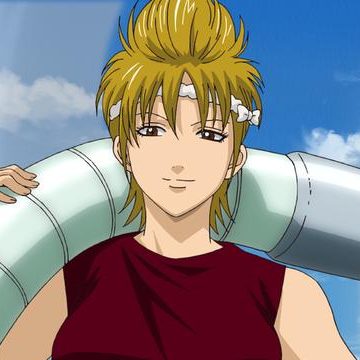
Tatsumi
Like Terada Tatsugoro, her character was based on is based on Shinmon Tatsugoro, the leader of the 10th division of Edo’s Megumi fire brigade.
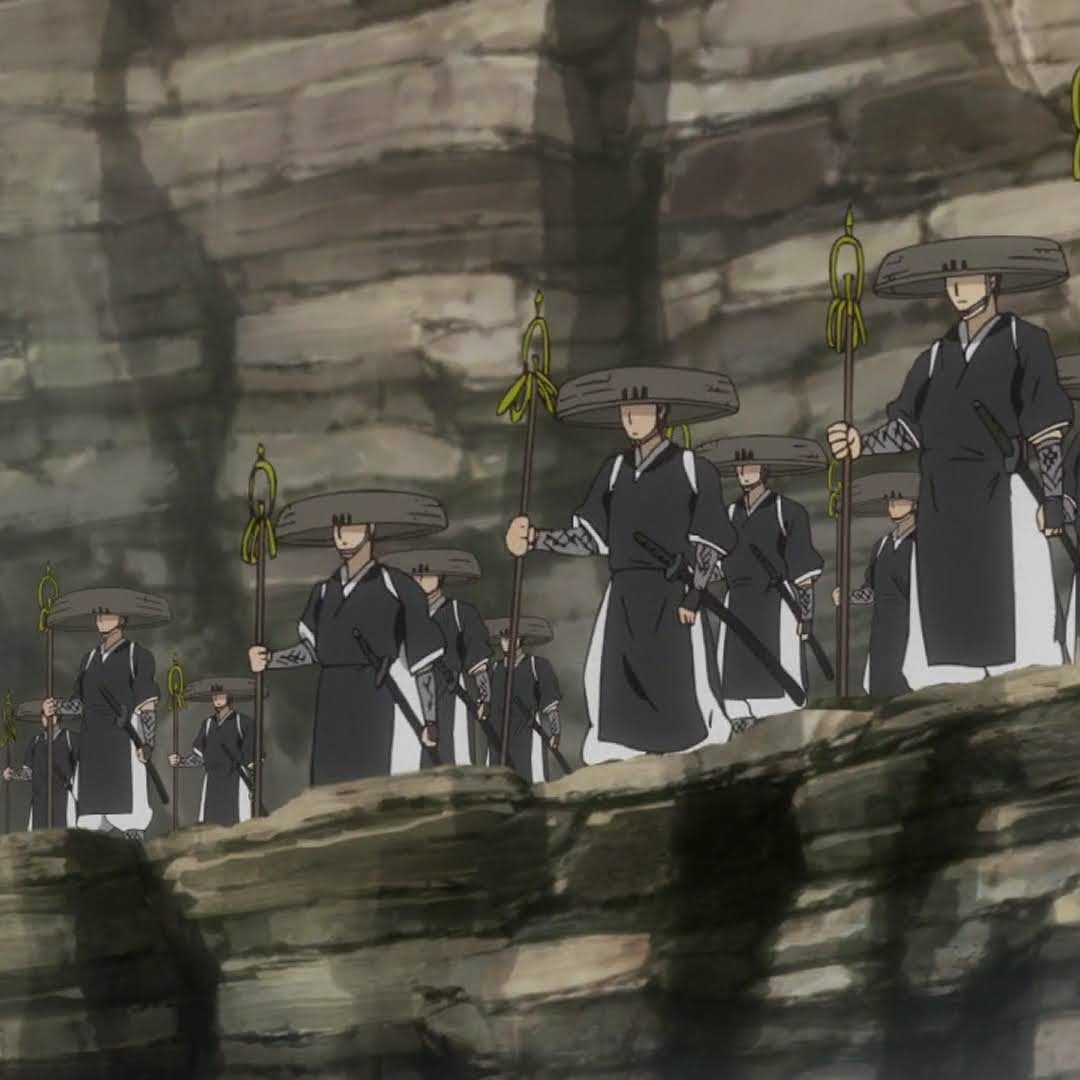
Tenshouin Naraku
Based on Tensho-in, name of Tokugawa Iesada’s wife (birth name Okatsu, and commonly known as Atsuhime), and sun goddess Amaterasu.
LOCATIONS

Kabukicho district
Based on the real life Kabuki-chō, an entertainment and red-light district in Shinjuku, Tokyo, Japan, and the location of many host and hostess clubs, love hotels, shops, restaurants, and nightclubs.
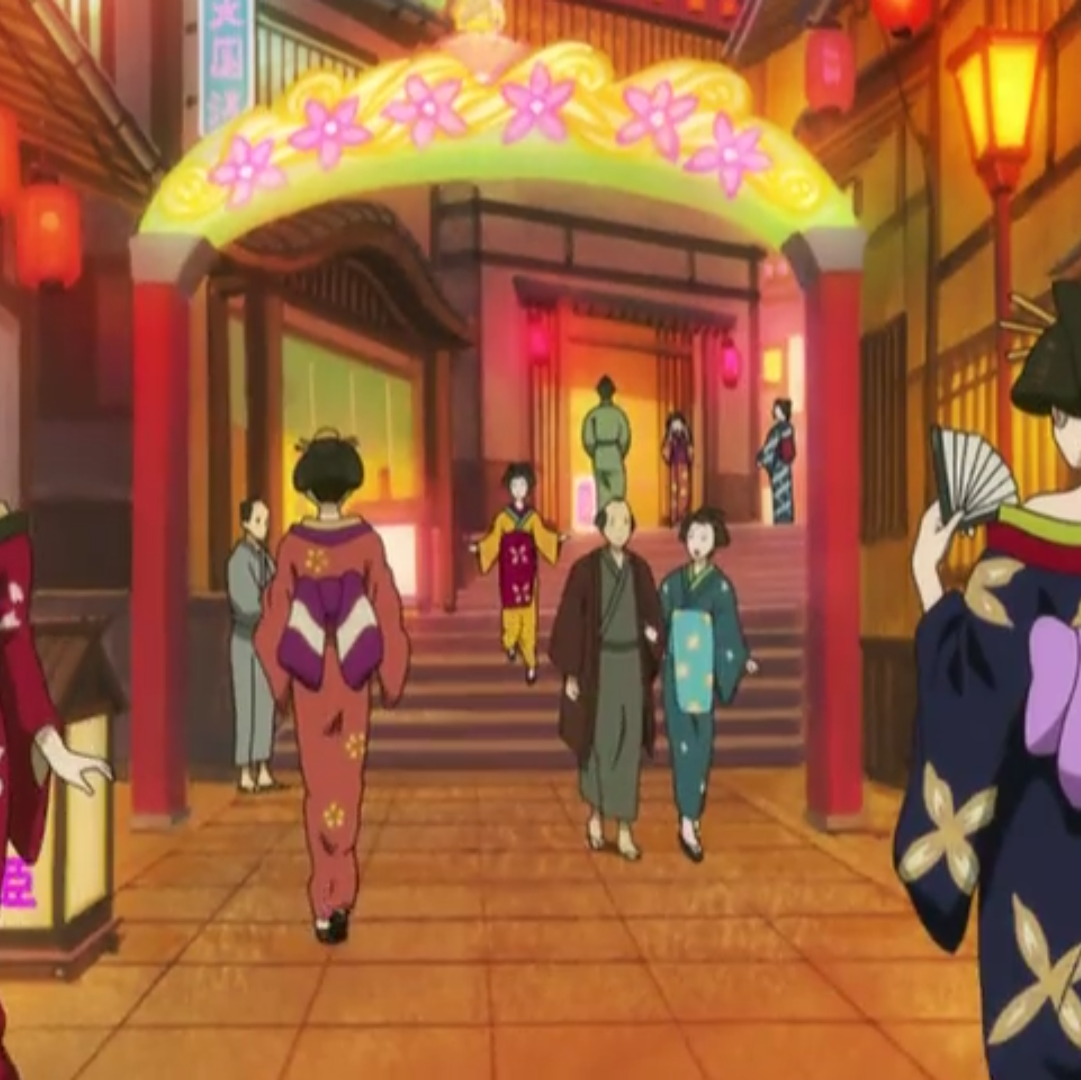
Yoshiwara
Based on the Japanese red light district of the same name, created during the early 17th century by the Tokugawa shogunate in Edo.
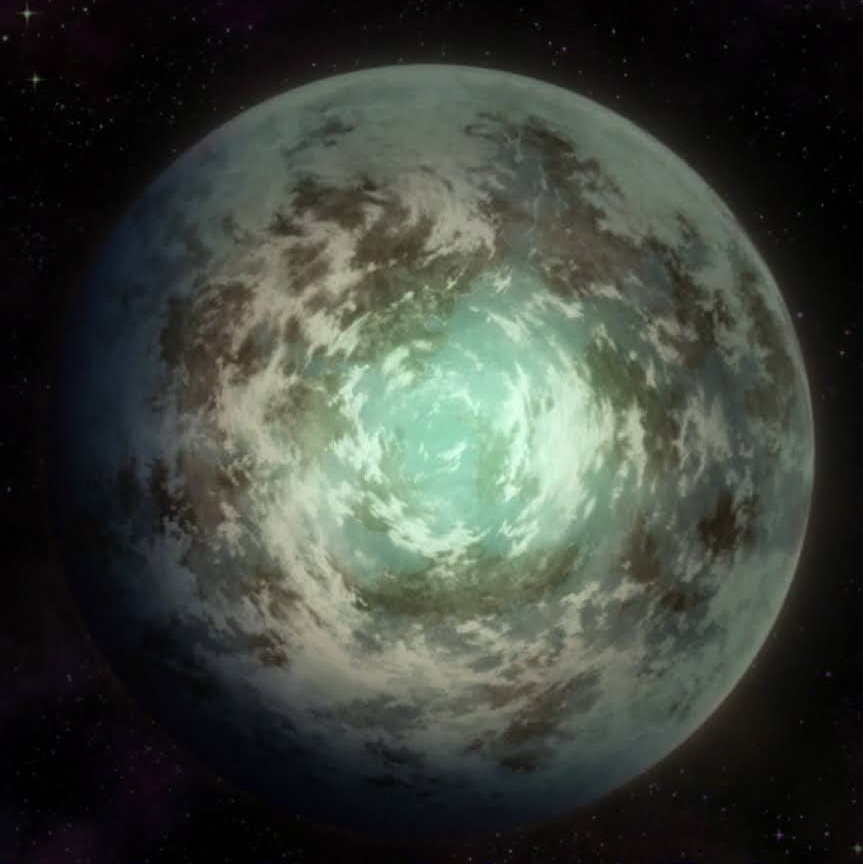
Rakuyou
Possibly based on the name by which Kyoto used to be frequently referred to, in ancient times, which originates from the Chinese city, Luoyang. The name in Japanese is read “Rakuyo”, with both the real and fictional sharing the same kanji ( 洛陽 ).
The name Luoyang also originates from the city being situated in a sunny area in China. The sun which, Yato’s in Gintama (who are also Chinese inspired) are physically weak to.
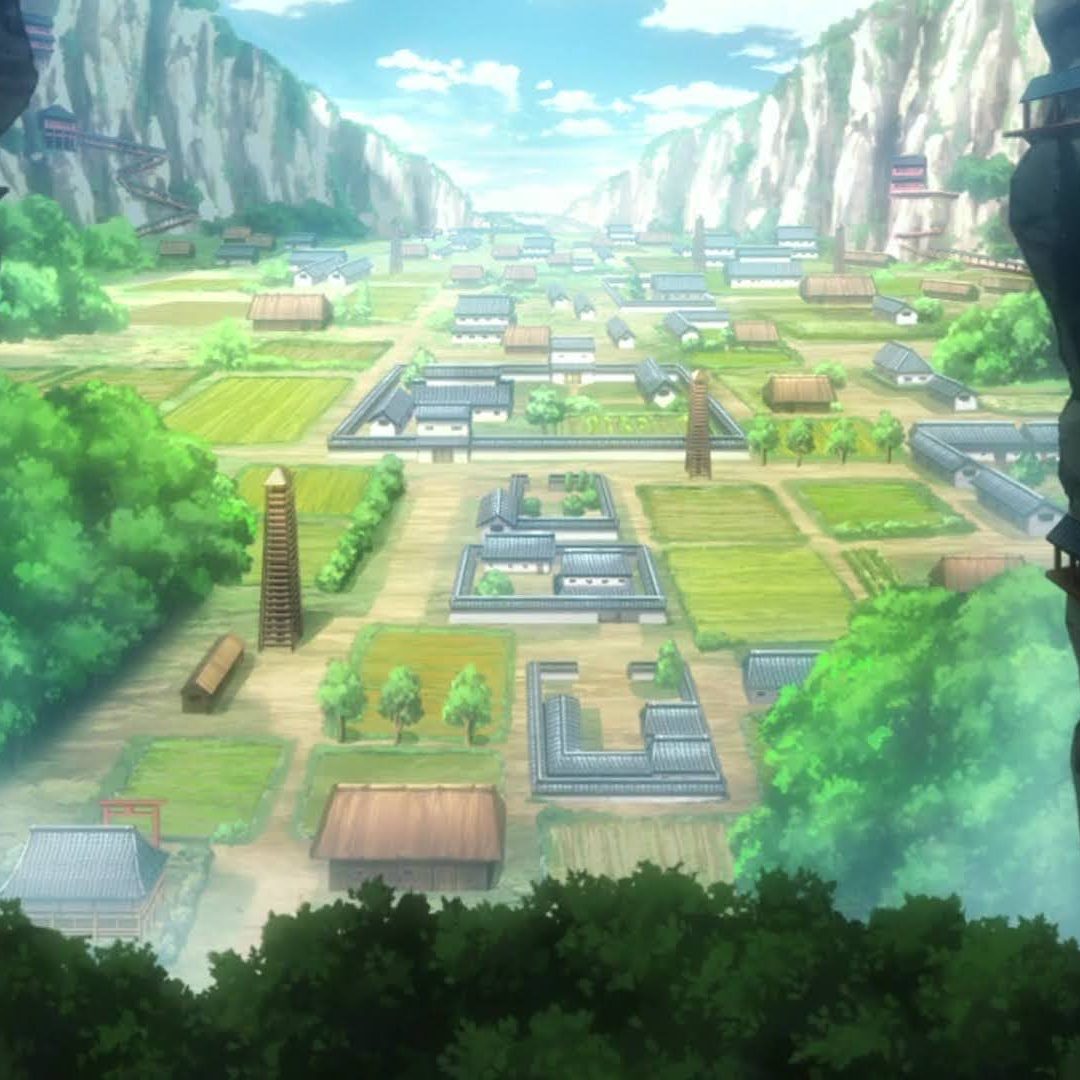
Iga village
Based on the province of the same name, known as a center for ninjutsu, claiming to being one of the birthplaces of the ninja clans. Famous ninja Hattori Hanzo originates from here.
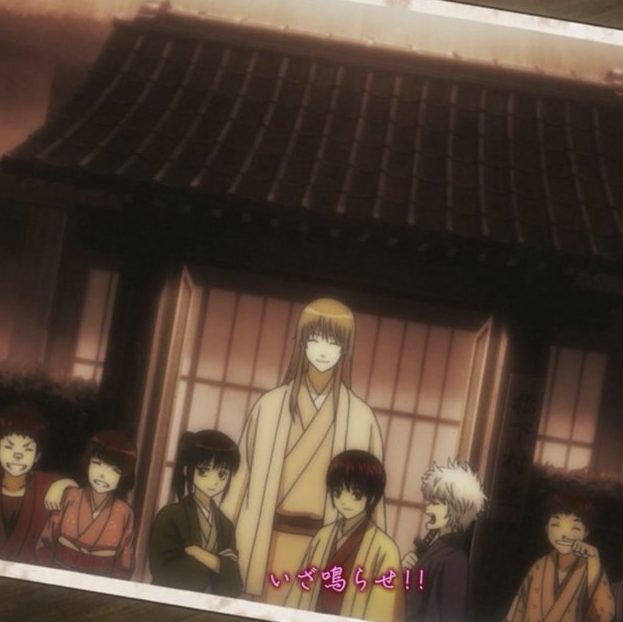
Shoka Shonjuku
Based on the real life Shoka Shonjuku academy established by Yoshida Shoin during the late Edo period. Kogoro Katsura and Takasugi Shinsaku got educated in the academy.
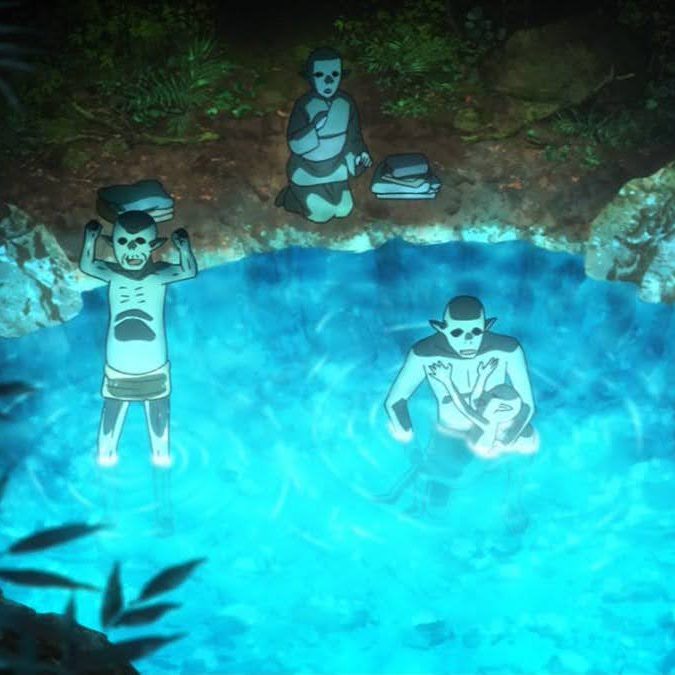
Dragon Holes/Ryuumyaku
Based on a term in Feng Shui, referring to a large and thick river of “ki” flowing beneath the earth, also known as the “blood vessel of earth”. According to the Taoist geomantic concept, building a house above a dragon hole brings about a lot of prosperity.
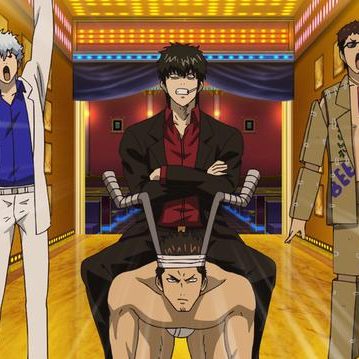
Tamakagahara (Host club)
Possibly from the Japanese mythology term of the same name (高天原) known to be the abode of the heavenly gods.
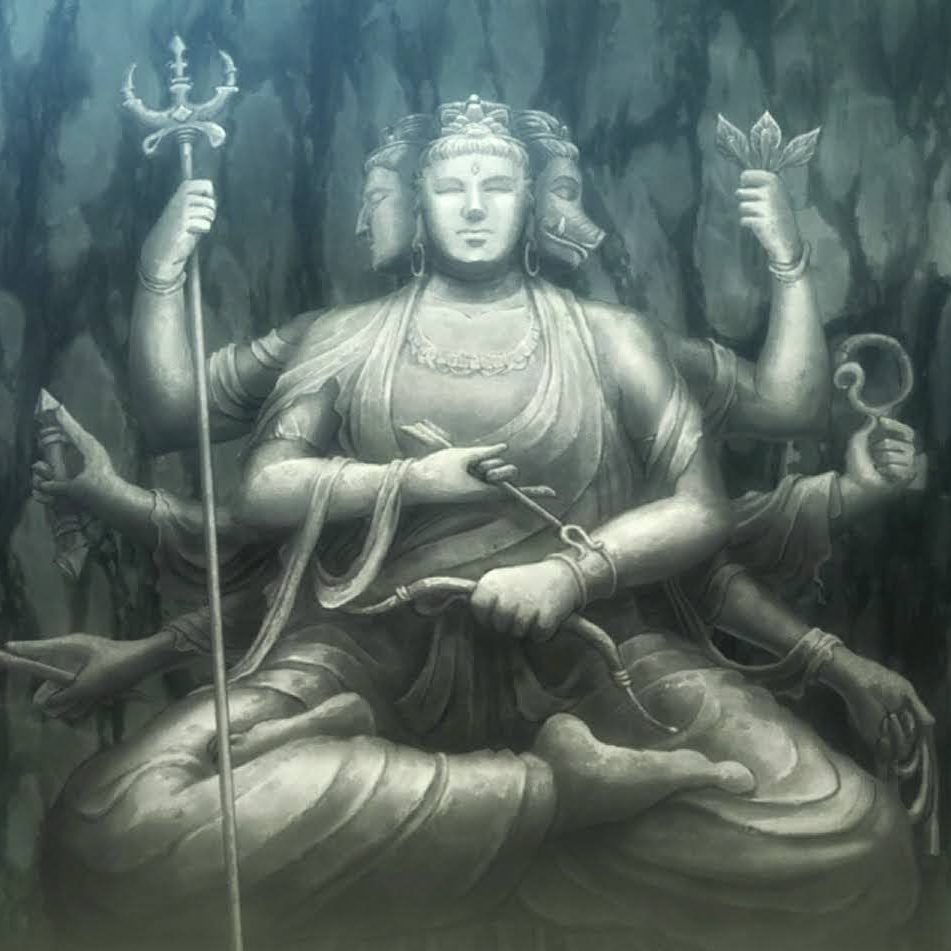
Marishiten (Statue)
Based on a deva of the same name (Mārīcī in the Sanskrit language), often associated with the sun and light.
Marishiten is stated to cure anal diseases and possession by spirits, the former which in Gintama, happens to be the running gag of Hattori Zenzou (whose alias in the story is “The Marishiten”).
ARCS
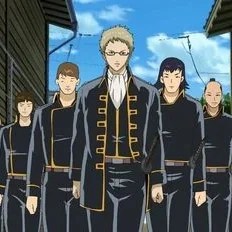
Shinsegumi Crisis arc
Based on the events from the first and second Choshu Expedition 1865-1867, where Ito Kashitaro joined the Shinsengumi, and later separated from it alongside the comrades he gained in the unit, primarily due to the ideological differences he shared with Kondo Isami and Hijikata Toshizo. He pretended to maintain healthy relations with the Shinsengumi to cover his connection to the Satsuma clan. He planned on assassinating Kondo, but was later assassinated himself after an invitation by Kondo to the latter’s mistress’ house, who got him drunk, and later had him taken out by several members of the Shinsengumi.
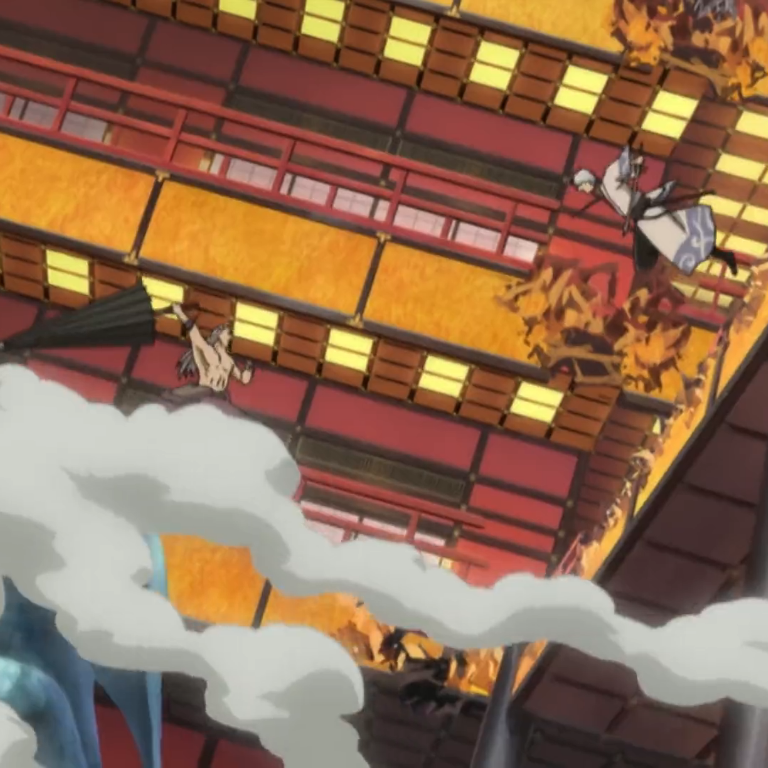
Yoshiwara In Flames arc
Possibly named after the 1987 movie Yoshiwara Enjo, which is also based on the novel of the same name by Shin’ichi Saito. The movie follows the tumultuous lives of the women who survived and those who didn’t, in a world of painful births and deaths.
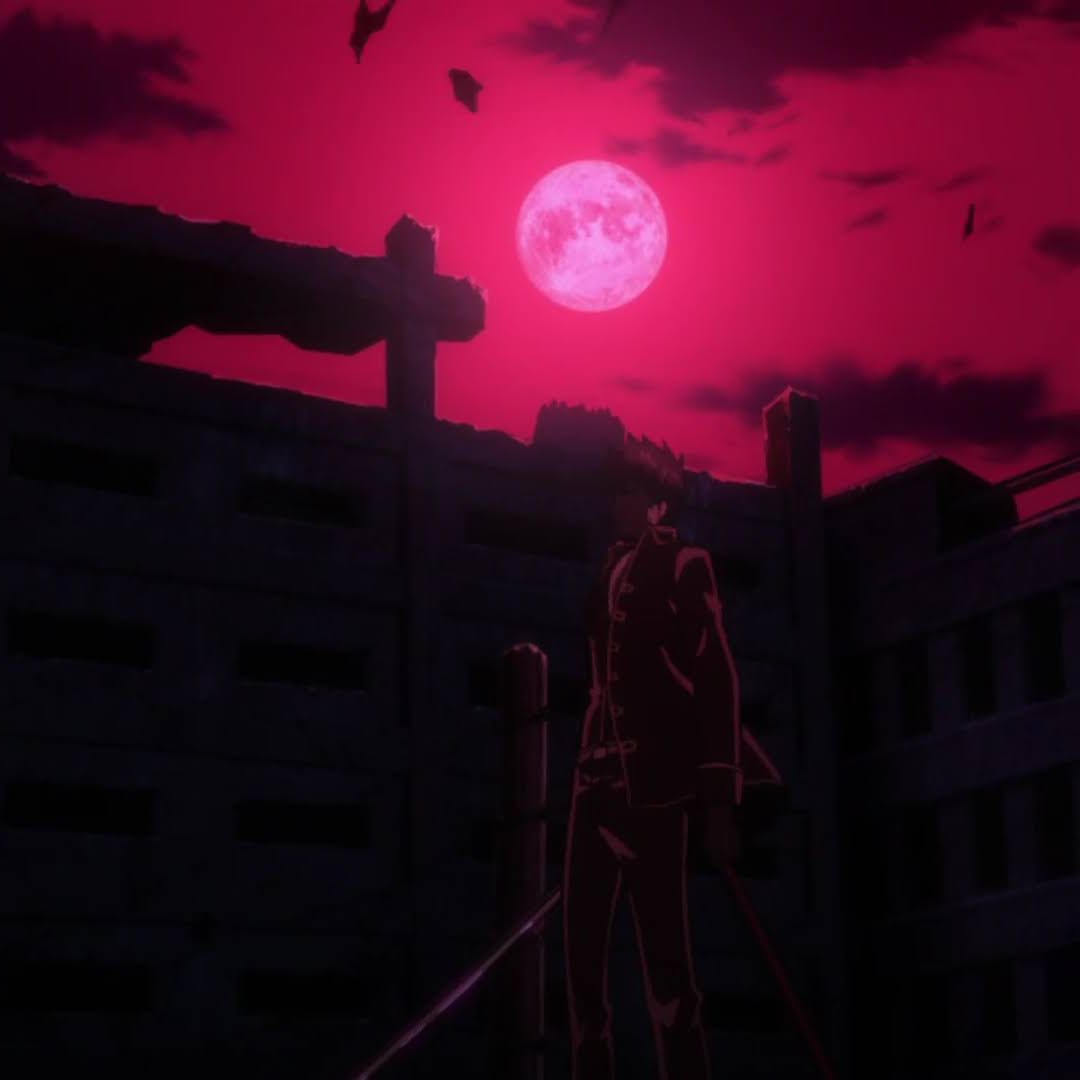
Thorny arc
Based on the nickname of Hijikata Toshizou, Baragaki ( バラガキ) meaning “A violent boy who hurts like a thorn when touched).
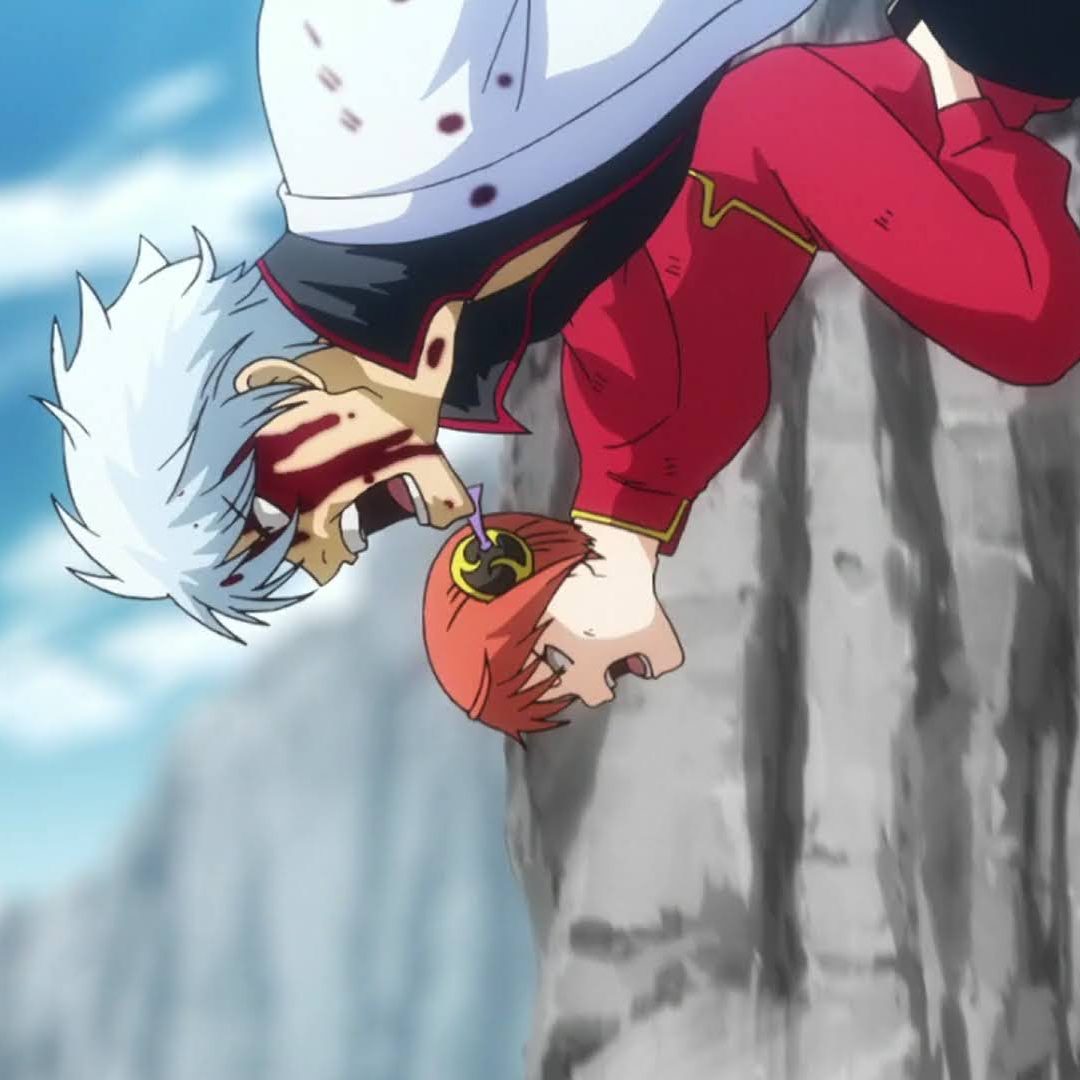
Shogun Assassination arc
Based on the Second Chōshū expedition and the preparation of the Boshin War. The 14th Shogun, Tokugawa Iemochi (Tokugawa Shigeshige’s model), died during this event.
The beheading of Shoyo in the flashback of the arc, as stated above, is a reference to Yoshida Shoin’s beheading at the hands of Yamada Asaemon VII.
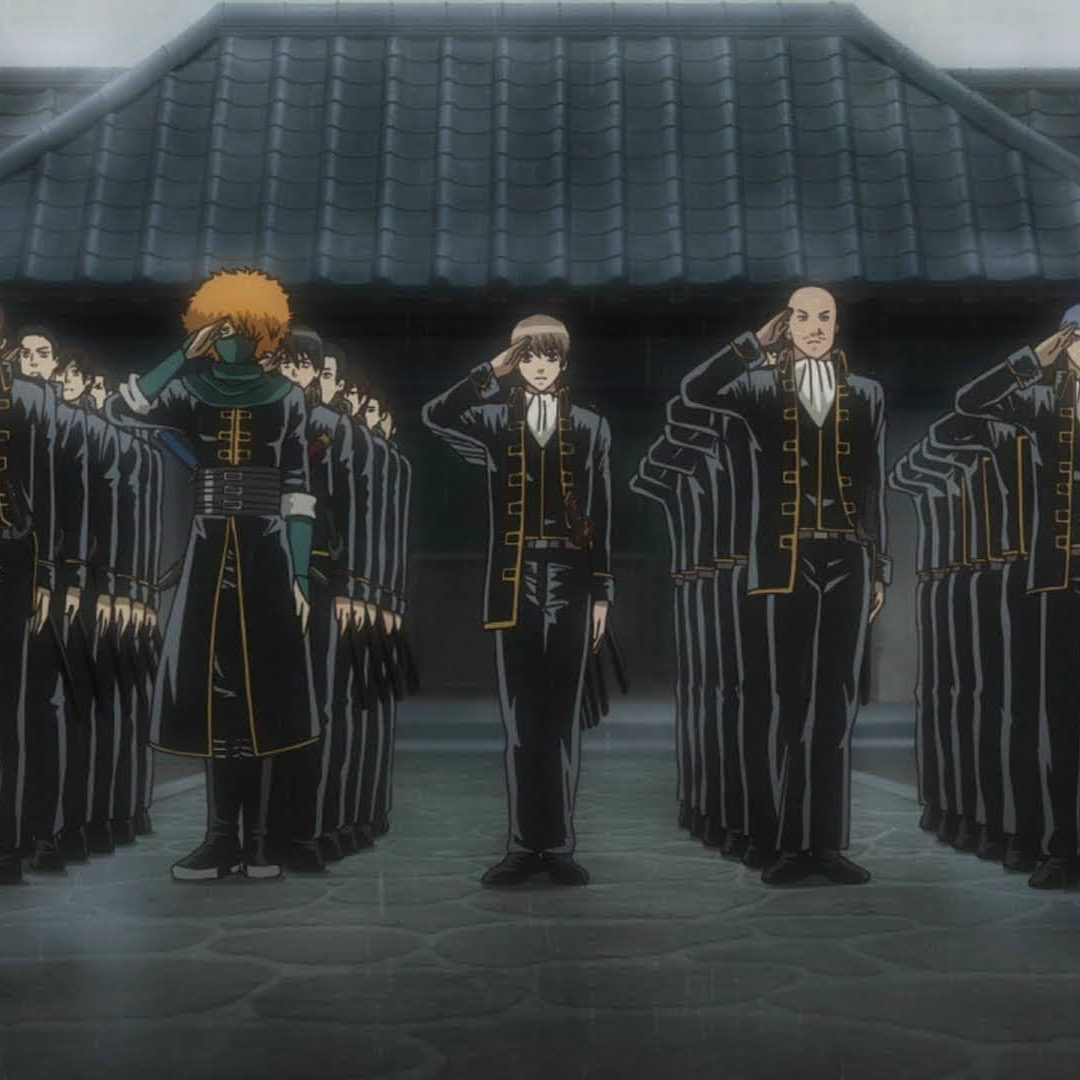
Farewell, Shinsengumi arc
Based on the first part of the Boshin War, which subsequently led to the downfall of the corrupted Tokugawa Shogunate, as well as the beginning of the Meiji Restoration. During this period, Kondo Isami was falsely accused of murdering samurai and statesman, Sakamoto Ryoma, and got executed for this. The ones behind the real assassination were Imai Nobuo and several men from the Mimawarigumi, under ordersws from their commander, Sasaki Tadasaburo.
Nobuo confessed later that he was the culprit. He later got arrested and jailed.
 Yorozuya Shinigami